
Presentations
W10
Soil & Water
Wed, Dec 14, 2022
10:00am to 10:50am
W3
Soil & Water
Wed, Dec 14, 2022
3:00pm to 3:50pm
Corn Yield Gap Reduction Strategies for Cover Crop Systems
Cover crop adoption in the state of Indiana has reach a plateau in recent years, primarily due to barriers related to negative tradeoffs associated with adoption cost and reduction in corn yield. To advance cover crop adoption before corn, Drs. Armstrong and Quin will team up to present “Corn Yield Gap Reduction Strategies for Cover Crop Systems”. These strategies will demonstrate effective yield protection adaptive management ranging from precision planting cover crops, the inclusion of overwintering legumes, and nitrogen fertilizer rates and timing.
Speakers
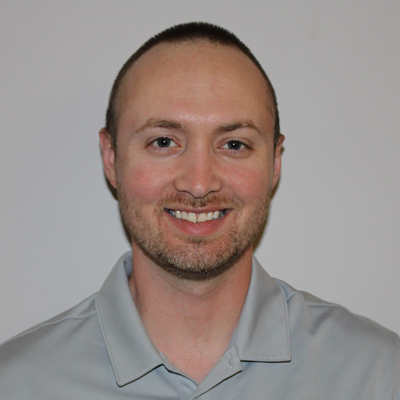
Dan Quinn
Dr. Daniel J. Quinn is an Assistant Professor of Agronomy and the Extension Corn Specialist at Purdue University. He earned his B.S. and M.S. in Crop and Soil Sciences from Michigan State University and his Ph.D. in Plant and Soil Science from the University of Kentucky. Dr. Quinn leads an integrated research and Extension program focused on improving corn productivity, profitability, and environmental performance across Indiana and the Midwest. His current work examines fertilizer management, hybrid types, crop physiology, agronomic management intensities, equipment technology, conservation cropping systems, and the use of precision and sensing technologies to enhance nutrient efficiency and yield stability. Since 2021, his team has conducted more than 150 field trials across Indiana and secured over $4 million in competitive and industry funding. In addition, he has delivered over 200 presentations to over 24,000 people, been invited to speak at 33 out-of-state and international conferences, authored 20+ peer-reviewed papers, and leads several regional and national collaborations advancing science-based corn management practices.
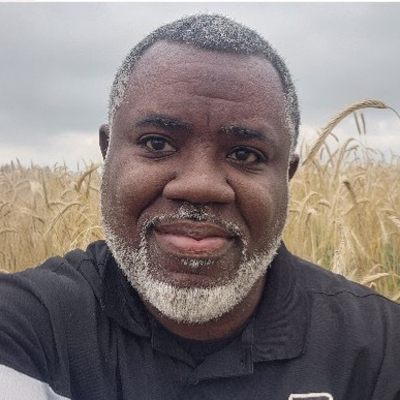
Shalamar Armstrong
Dr. Armstrong is an Environmental Soil Scientist and Associate professor in the Department of Agronomy at Purdue University. His research program investigates the agronomic, environmental, and economic impacts of current and emerging regenerative agricultural practices that reduce nutrient and soil loss and promote carbon farming in the Upper Mississippi River Basin. Dr. Armstrong’s research is executed on multiple scales ranging from the soil microbiome to the evaluation of conservation practices on field and watershed scales. Annually, his applied research program advances the knowledge of the agricultural and farming community on cropping systems management that facilitates nutrient loss reduction, nutrient cycling, and competitive crop productivity.