Beyond the planter: How to achieve uniform corn stands
The Indiana Certified Crop Adviser panel includes Gene Flaningam, Flaningam Ag Consulting, Vincennes; Carl Joern, Pioneer, Lafayette; Greg Kneubuhler, G&K Concepts, Fort Wayne; and Dan Quinn, Purdue University Extension corn specialist, West Lafayette.
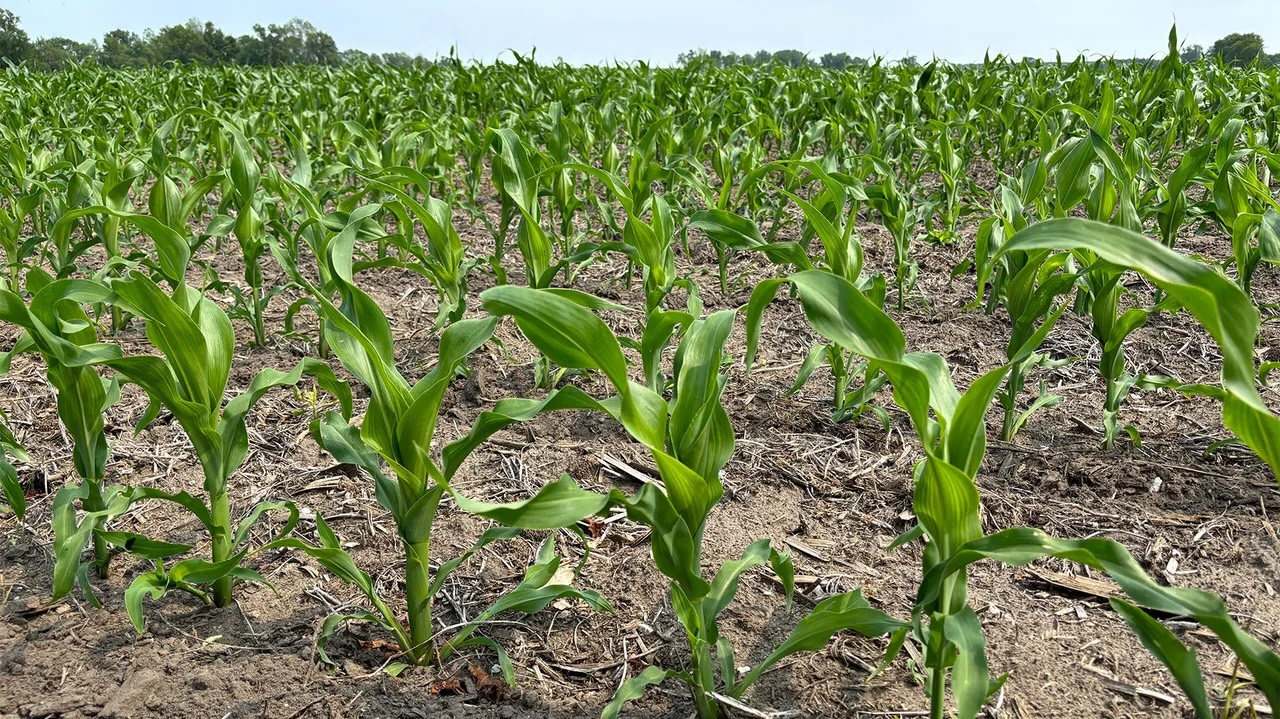
I want uniform corn stands this year. We went over the planter carefully, and it is ready to roll. What else can we do to increase our odds of getting picket fence stands?
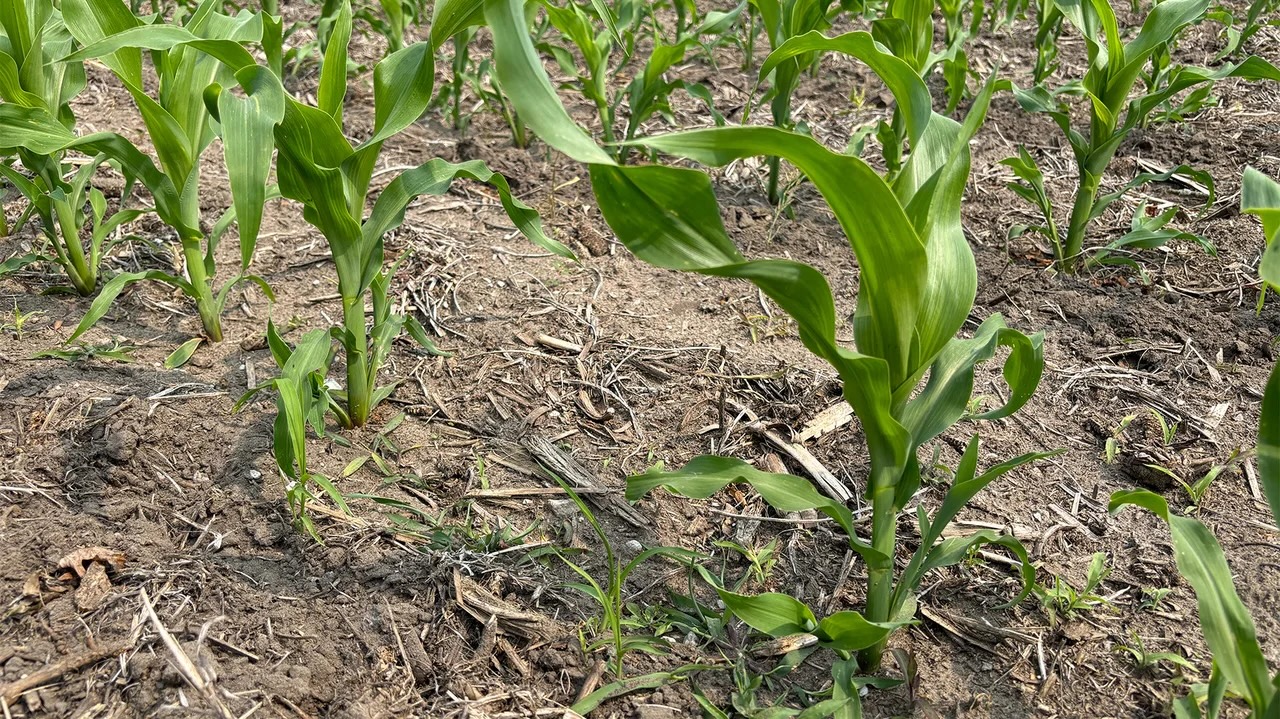
Flaningam: Plant into optimal soil conditions. Correct soil temperature, soil moisture and residue management are key for uniform emergence. Plants need to emerge in a uniform fashion to prevent interplanting competition from erratic stands. Proper seed-to-soil contact is crucial in final stand establishment. The seed trench needs to be closed completely when planting corn. Looking at the short-term weather forecast‚ the three to five days following corn planting has a major influence in final stand establishment.
Joern: Uniform corn stands are ultimately made by putting every seed into similar conditions. Research consistently shows that uniform emergence is more important than perfectly uniform spacing for yield potential.
Manage planting depth and soil conditions. Seeds placed at a consistent depth experience more uniform soil temperature and moisture, which narrows the emergence window. Shallow planting or variable sidewall conditions can expose seeds to fluctuating moisture and temperature.
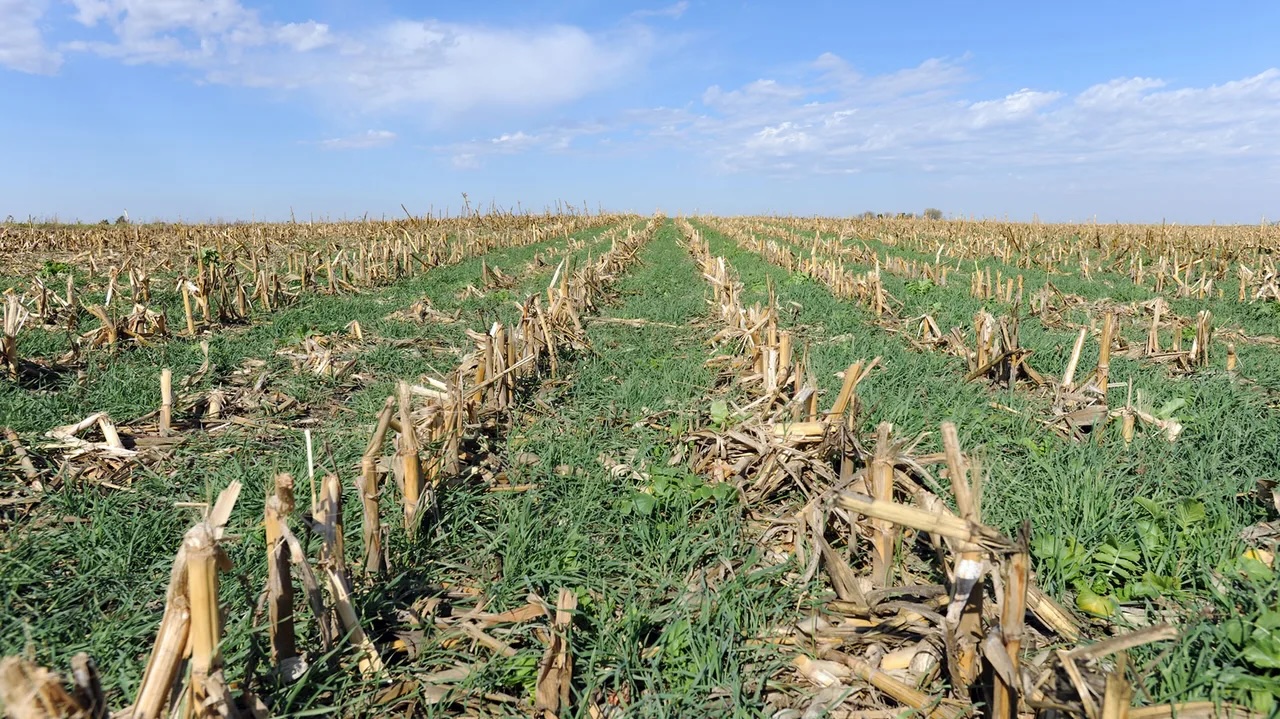
Residue management also plays a role. Uneven residue distribution can create cold, wet pockets next to warmer soil, leading to staggered emergence. Striving for a uniform seedbed helps all plants get off to the same start.
Keep expectations realistic. University and industry research suggests that an emergence window of three to four days is sufficient to achieve full yield potential under most conditions, and that is a realistic field goal. Trying to force ultra-tight emergence windows by delaying planting or overworking the field can introduce other risks.
Kneubuhler: Uniform stands are largely related to the technology and the mechanics of the planter. However, management contributes to stand uniformity. Planting into good soil conditions is key. In an ideal world, that would be soils that are 50 degrees F or higher. Plant ahead of a good forecast and not a cool, wet one.
Good soil moisture is also key. It sounds elementary, but don’t plant into wet soils. A good closing wheel system can also help manage the sidewall. Proper settings aid in achieving seed-to-soil contact. Just because you have the planter ready to roll doesn’t mean it’s set correctly. Ensure your down pressure is managed for your soil types.
Managing residue is often overlooked. That comes down to the row cleaners. Displacing residue to have consistency in the seed trench plays a huge role in uniformity. Knowing cold germ scores on your corn also plays into good odds of getting the picket fence.
Quinn: Pay attention to soil temperature, seed depth and overall soil conditions at planting. To increase the odds for uniform corn stands, make sure the corn gets out of the ground quickly and uniformly. As soil temperature increases, the window to seedling emergence shortens. Therefore, planting into soil temps at 60 degrees F and up are going to give a better chance at rapid and uniform emergence than soil temps at or near 50 degrees F. The longer the seed sits in the ground, the higher the chance for nonuniform emergence.
In addition, if corn seed is planted too shallow, this increases the potential for the seed to be placed in non-uniform conditions, decreasing the chance of uniform emergence. Lastly, planting into conditions that are too wet or field conditions that are poor or tilled too wet can decrease the chance for uniform seed placement and emergence.