Evaluate nitrogen use efficiency before upping rates
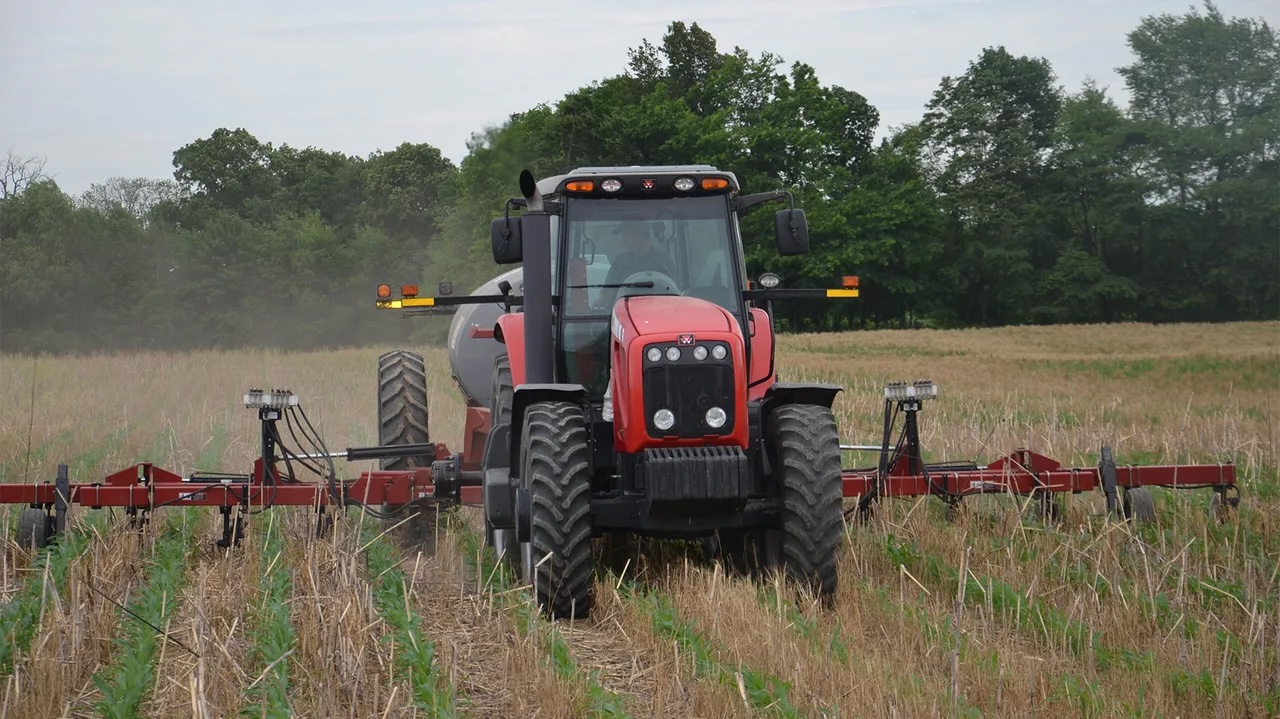
The Indiana Certified Crop Adviser panel includes Steve Gauck, an agronomy manager for Beck’s, Greensburg; Jeff Nagel, agronomist for Keystone Cooperative, Lafayette; Marty Park, agronomist with Gutwein Seed Services, Rensselaer; and Dan Quinn, Purdue University Extension corn specialist, West Lafayette.
I’m torn between upping my nitrogen rate to go for top yield and cutting the rate to save costs. I have applied around 200 pounds per acre before planting. What do you recommend?
Gauck: Nitrogen is extremely important. You can increase yields just by adjusting application and timing.
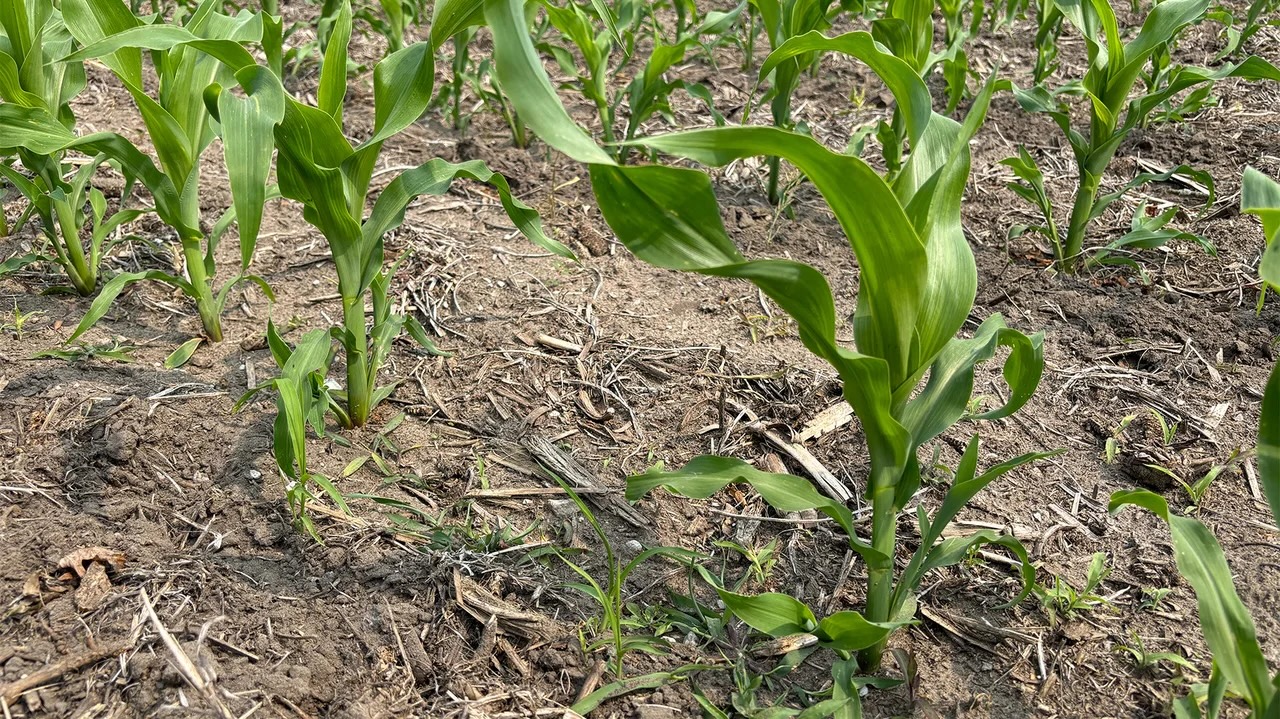
Applying nitrogen with your planter is a great place to start. Studies show that applying 30 to 60 units of nitrogen up front with the planter helps with nitrogen efficiency in the plant and helps corn establish a strong root system. Then, follow with the remainder of your nitrogen at V3.
Some hybrids are efficient users of nitrogen and do not need extra, and some reward you for higher rates of nitrogen. Variable rating nitrogen has also shown some promise, but be sure not to cut rates too much.
Nagel: Selecting the “right” nitrogen rate for any given year is challenging due to the large interaction with weather. We don’t know how much soil nitrogen will become available and how much nitrogen will be lost.
Evaluate regional nitrogen rate differences. Soil types and geography make a difference on nitrogen rates. Higher rates are needed in northeast, east central and central Indiana. Visit the nitrogen rate calculator for more information. Consider field and hybrid characteristics. Learn what you can about nitrogen uptake patterns on intended hybrids.
Evaluate the nitrogen source you are using and how to maximize the benefit by split applied applications and/or using proven nitrogen stabilizers. Monitor nitrogen loss during the growing season. Frequent high rainfall events lead to higher loss potential. Lastly, make sure adequate potassium and sulfur are in the program. Nitrogen use efficiency is less if potassium or sulfur are limiting.
Park: There are many factors that influence nitrogen loss and mineralization, including location, type of nitrogen applied, timing of application, soil types, organic matter content, drainage and weather. Additional nitrogen does not always increase yield and might not generate additional income. If you have frequently experienced nitrogen deficiency, look at ways to increase nitrogen use efficiency. Use caution when reducing the nitrogen rate, as this is still a bushels game.
Search for the Purdue Nitrogen Recommendations and review this document. It provides results of the Agronomic Optimum Nitrogen Rate (AONR) and the Economic Optimum Nitrogen Rate by region at various costs of nitrogen and values of corn. See how your 200 pounds compares to their EONR for your area based on your nitrogen cost and corn price. Run some nitrogen trials on your own farm in 2026.
Quinn: Focus on EONR rather than chasing maximum yield. The EONR represents the rate that provides the highest economic return per acre, balancing both yield response and fertilizer cost. Every additional pound of nitrogen must pay for itself. Purdue University maintains nitrogen rate guidelines based on extensive multiyear field research across Indiana. These recommendations provide region-specific EONR values that account for various environments and management practices, and fertilizer price relative to corn price. Using the EONR framework ensures that your strategy is focused on agronomic response and economics rather than pushing for high yields at the expense of profitability.