Soil moisture temps key to soybean success
The Indiana Certified Crop Adviser panel includes Gene Flaningam, Flaningam Ag Consulting, Vincennes; Carl Joern, Pioneer, Lafayette; and Greg Kneubuhler, G&K Concepts, Fort Wayne.
My brother wants to start planting soybeans by April 15. I’ve heard that temperature in the first 24 hours determines a stand’s success. What should the forecast look like if we want to plant?
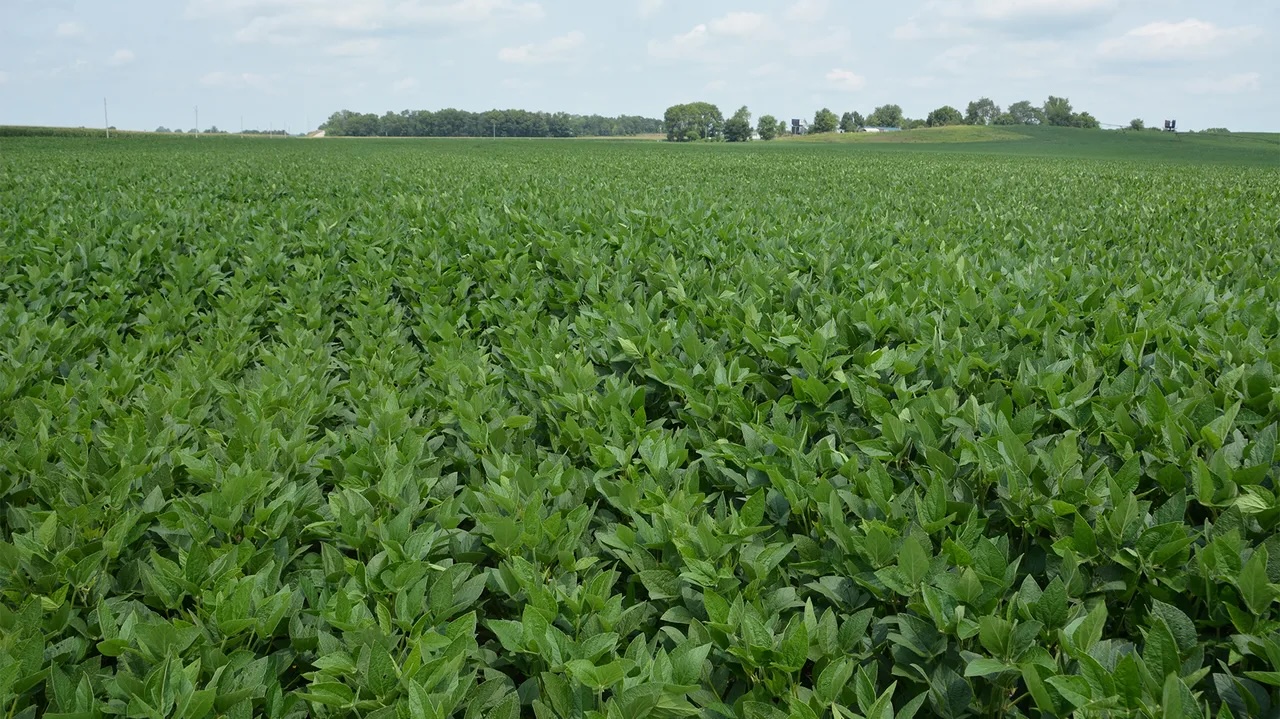
Flaningam: Soil moisture is usually a bigger factor in soybean stand establishment than the effect of cool temperatures. Early in the season, the soil biological activity is greatly reduced due to cool soils. There seem to be fewer replants in early-season versus mid-to-late-season plantings. The cold conditions also affect seed germination and emergence. I have seen soybeans take three weeks to emerge. Plant treated seed early in the season to enhance stand establishment. And do not plant into muddy field conditions!
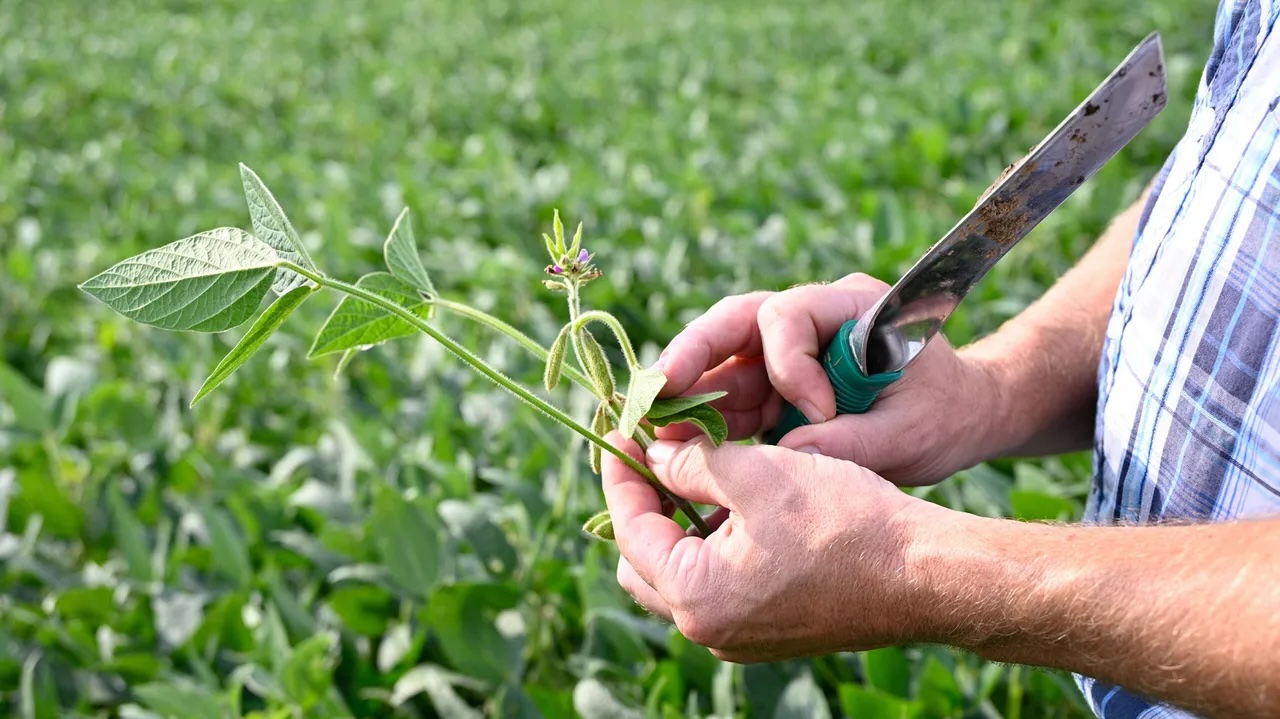
Joern: The biggest early-planting risk for soybeans is cold soil temperature during the first 24 hours, not air temperature alone. Soybean seeds absorb about 50% of their weight in water, a process known as imbibition, within the first 24 hours after planting. If very cold soil water — generally below 40 degrees F — is absorbed during this period, imbibitional chilling injury can occur, leading to reduced emergence and stand loss. Once this initial phase is complete, the risk of chilling injury from cold soil declines significantly.
Soil temperatures at planting depth should be near 50 degrees F for the 24 hours following planting. From a forecast standpoint, the best setup for mid-April planting includes soil temperatures holding close to or above 50 degrees F; no cold, soaking rains immediately after planting; and moderate air temperatures for the next 24 to 48 hours, rather than a sharp cold front.
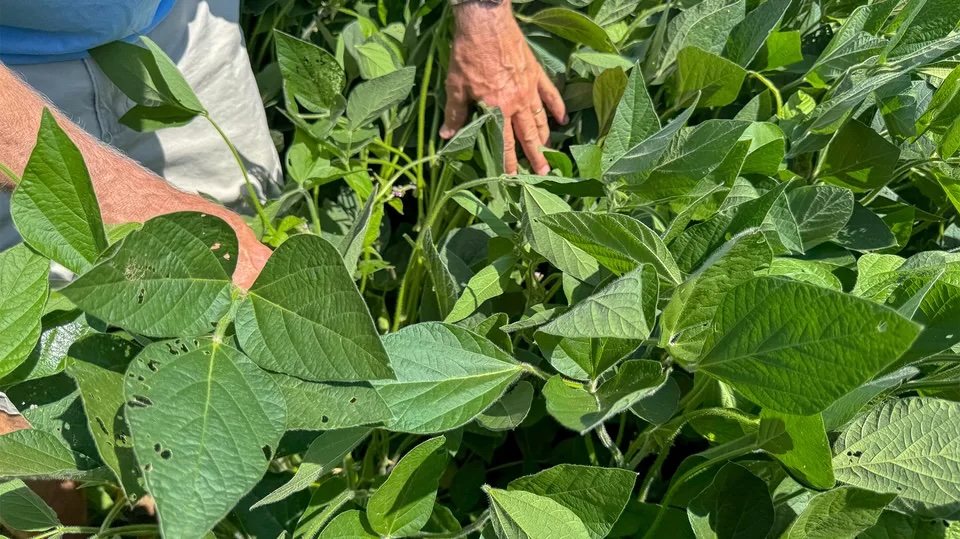
Later frost risk is harder to predict, but emerged soybeans are more vulnerable to freezing injury than corn because their growing points are above the soil surface. If a frost occurs after emergence, stands should be evaluated several days later, as soybeans can recover if at least one growing point survives.
Kneubuhler: The first 24 hours after planting soybeans are crucial because of imbibitional chilling. Soybeans begin water uptake immediately and absorb 50% of their weight in water. Cold water can significantly affect seed membranes and the germ. For the first 24 hours after planting, you want no cold or heavy rains, and no cold front, with nighttime temperatures above 40 degrees F. Dry soils and conditions at planting time and for the following 24 hours are the biggest factors to success.