Replicate 2026 soybean wins with these strategies
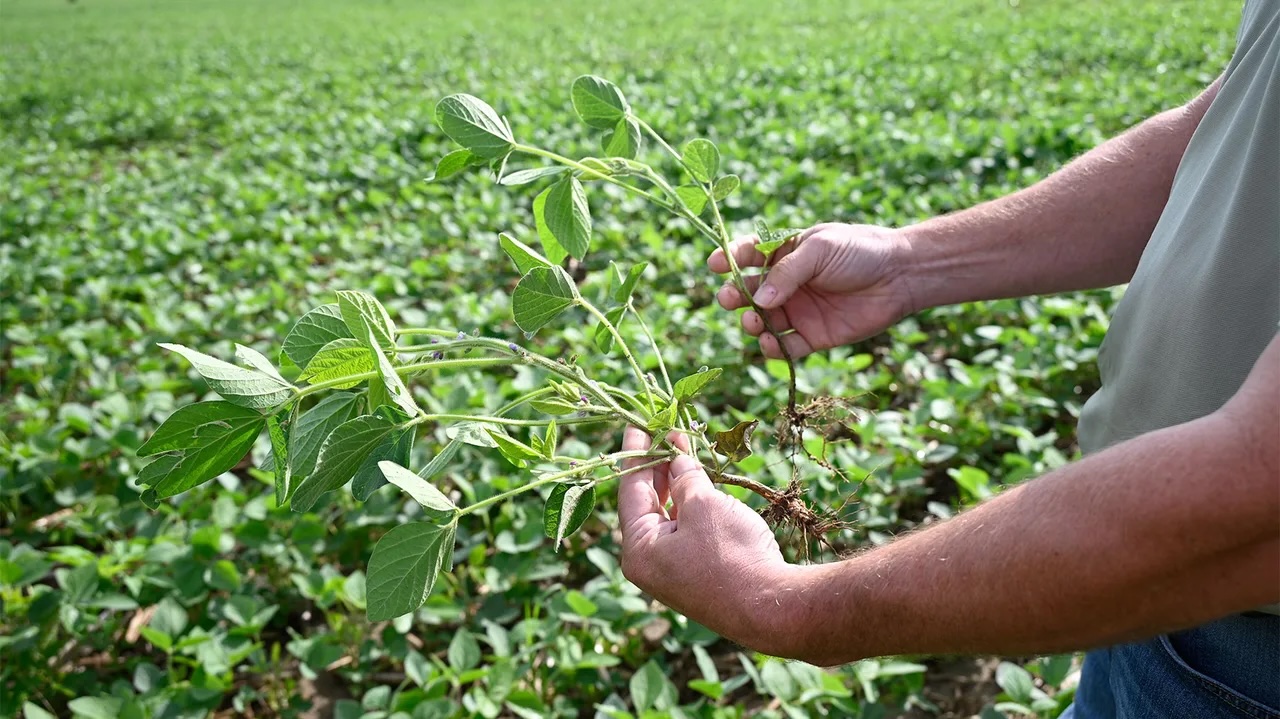
The Indiana Certified Crop Adviser panel includes Gene Flaningam, Flaningam Ag Consulting, Vincennes; Glenn Longabaugh, agronomist for Premier Companies, Hazelton; and Jeff Nagel, agronomist for Keystone Cooperative, Lafayette.
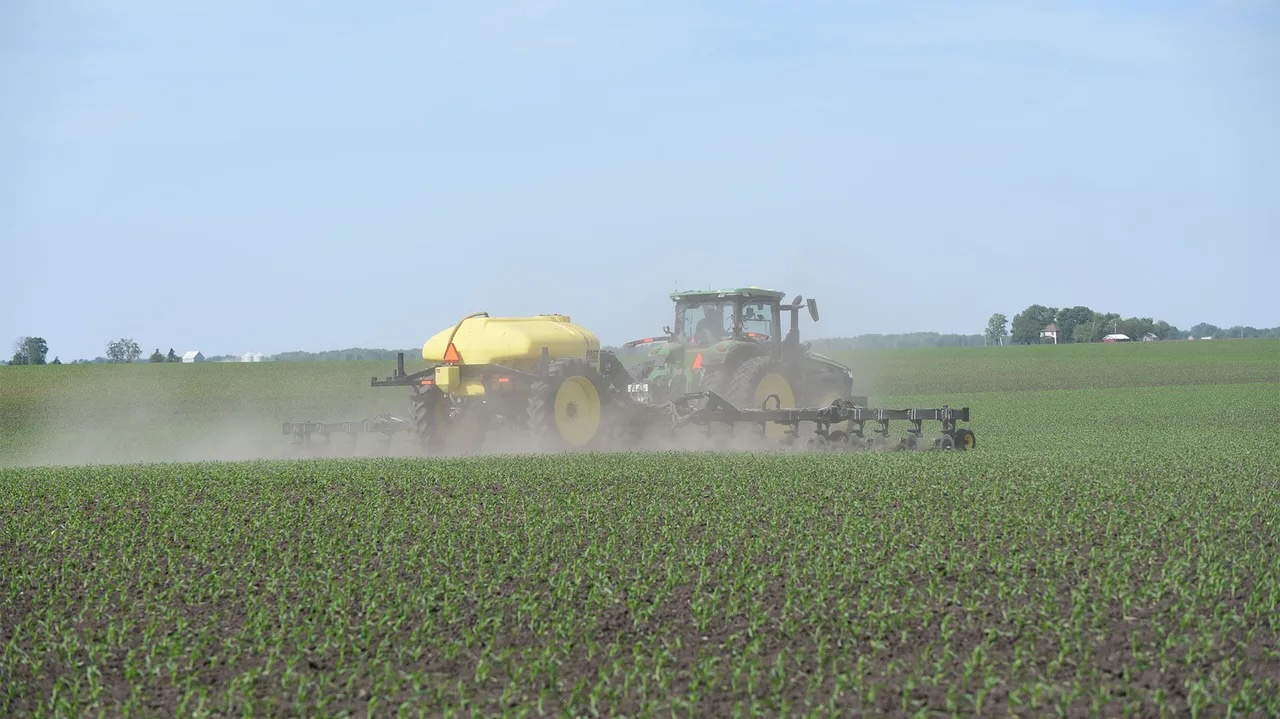
This harvest revealed record soybean yields across most of our acreage. However, yields were comparable across the board — for fields planted in early April through those planted by mid-May. So is early planting still the way to go? Or were there any reasons yields were the same through all planting dates?
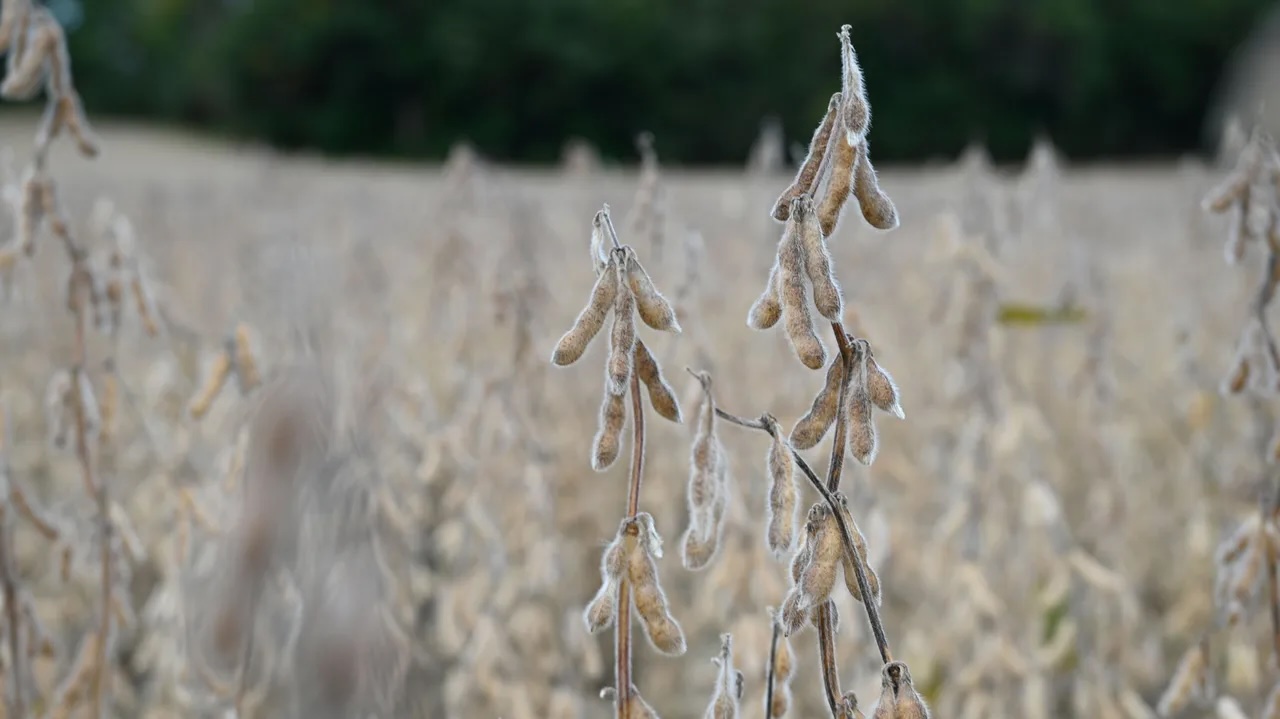
Flaningam: Early planting date increases node counts on the soybean plant, thus giving you more nodes per plant. This should equate into a higher yield due to more pods per plant. Seed size and the ability of the soybean to develop a fully mature seed, is also a key part in soybean yield.
All these components combined, along with timely rainfall, had a significant impact on great soybean yields in 2026. I would still recommend early planting for 2027 to optimize your yield potential.
Longabaugh: It is true that planting soybeans early does not ensure high yields, yet I believe planting early is a prerequisite for high-yielding soybeans. In other words, the story of soybean yield may be written in August by rainfall, but soybean yield potential is written in April.
University studies almost unanimously agree that early planting has a small advantage over later planting dates in May and June. Interestingly, if you change nothing but the planting date, that yield advantage is very modest. But when you manage soybeans more intensively, the advantage to planting early is often exaggerated.
That system to improve soybean yields intentionally includes the following factors: variety selection, premium seed treatment, modest seeding rate, early planting, weed control, soil fertility, crop health, insect pressure, disease pressure and plant nutrition.
If you get these factors right and have decent weather from R3 to R6, you might be shocked at the results.
Nagel: Timely rain in the seed-filling stages are still critical for top yields. Rainfall events were highly variable this year on timing and amounts. Soybean varieties today have high yield potential across maturity ranges. The growing season weather and management are keys to reaching high yields. Yield stability across planting dates and maturities was probably a result of both factors.
Good soil conditions, along with some early warm temperatures in late March into mid-April, allowed some soybeans to get planted. Other areas stayed wet. The switch flipped in the second half of April and into May into a colder and wetter pattern. We followed several fields that were slow to emerge and experienced some PPO herbicide response due to cool and moist soils. Stands were reduced below 100,000 but still yielded in the 70s to 80s.
There can be risks with early planting, and they surfaced in 2026. Some geographies experienced cold-enough temperatures that required a replanting due to freeze damage. And phytophthora root rot was more prevalent in areas with heavy rain events. This resulted in a yield reduction, but it can occur anytime there are large rainfall events, regardless of planting date.
Growers have several years of experience now with timely planted soybeans with positive yield responses. That cultural practice will continue. This fall allowed most growers to do tillage or burndown herbicides to be ready to plant timely in 2027 if conditions are fit.
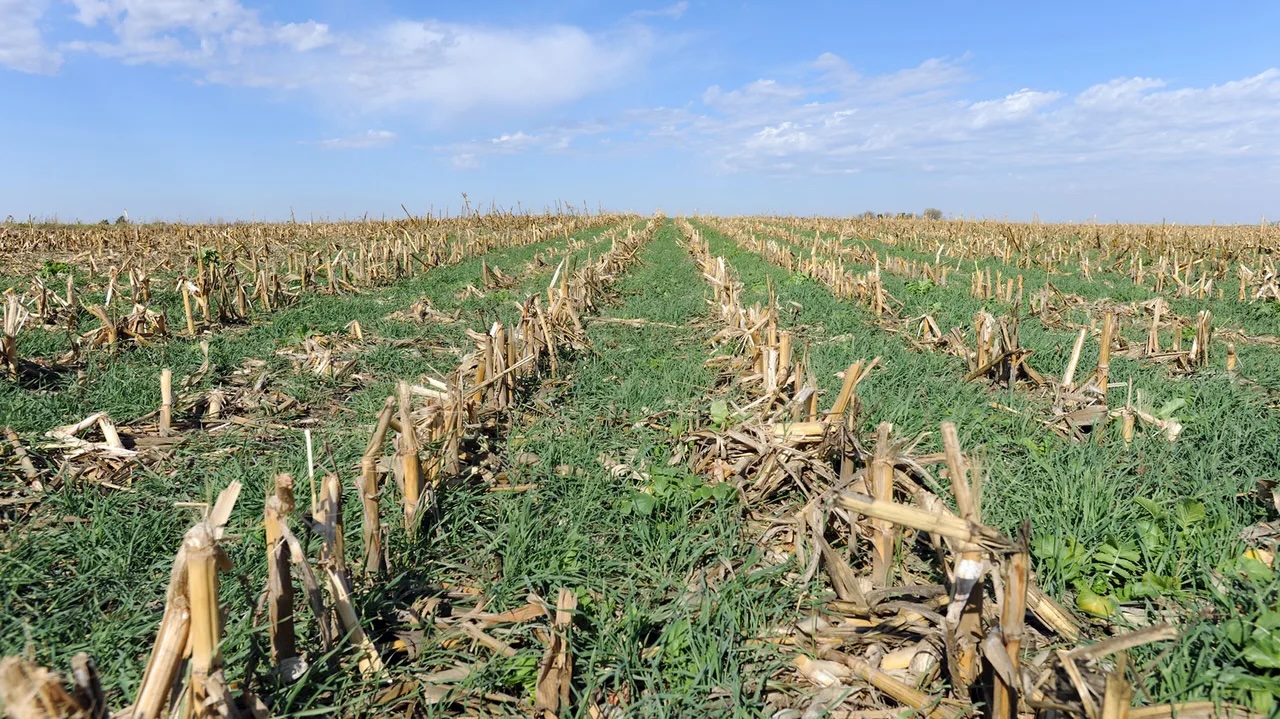
With early/timely planting, consider the following: Use a robust fungicide seed treatment and insecticide seed treatment where warranted; plant into good soil conditions; figure out your strategy to manage cornstalk residue; include plant available sulfate sulfur in the program; include a broad-spectrum herbicide around planting; and layer an in-season residual Group 15 herbicide.