Consider flying cereal rye into standing corn
The Indiana Certified Crop Adviser panel includes Betsy Bower, Purdue Extension senior research associate, West Lafayette; Abby Horlacher, Nickel Plate Consulting, Sheridan; Brian Mitchem, Farmer 1st Agronomy Consulting Services, Decatur; and Dan Quinn, Purdue Extension corn specialist, West Lafayette.
I plan to drill a cereal rye cover crop after corn this year. But last year, harvest delays pushed cover crop seeding to early December. Is there value to flying on the cover crop with a drone? When is the best time to have it aerial-applied?
Bower: Yes, there is value in flying on the cover crop with a drone. Drone or aerial seeding can allow you to get your cover crops seeded in a timely fashion. You can start any time after corn leaves start to dry and the canopy opens to more sunlight hitting the soil. Try to plan an application in front of rainfall to provide surface-soil moisture for the seeds to imbibe.
Are you seeding this cover crop on your own or through the help of a Natural Resources Conservation Service contract? Note that you will need to follow NRCS cover crop seeding rates.
Cereal rye is a large seed that typically gets seeded in at 60 pounds per acre. Understand the size of the drone used for application. The cost per pound to seed with a drone could be higher than aerial seeding with an airplane or helicopter.
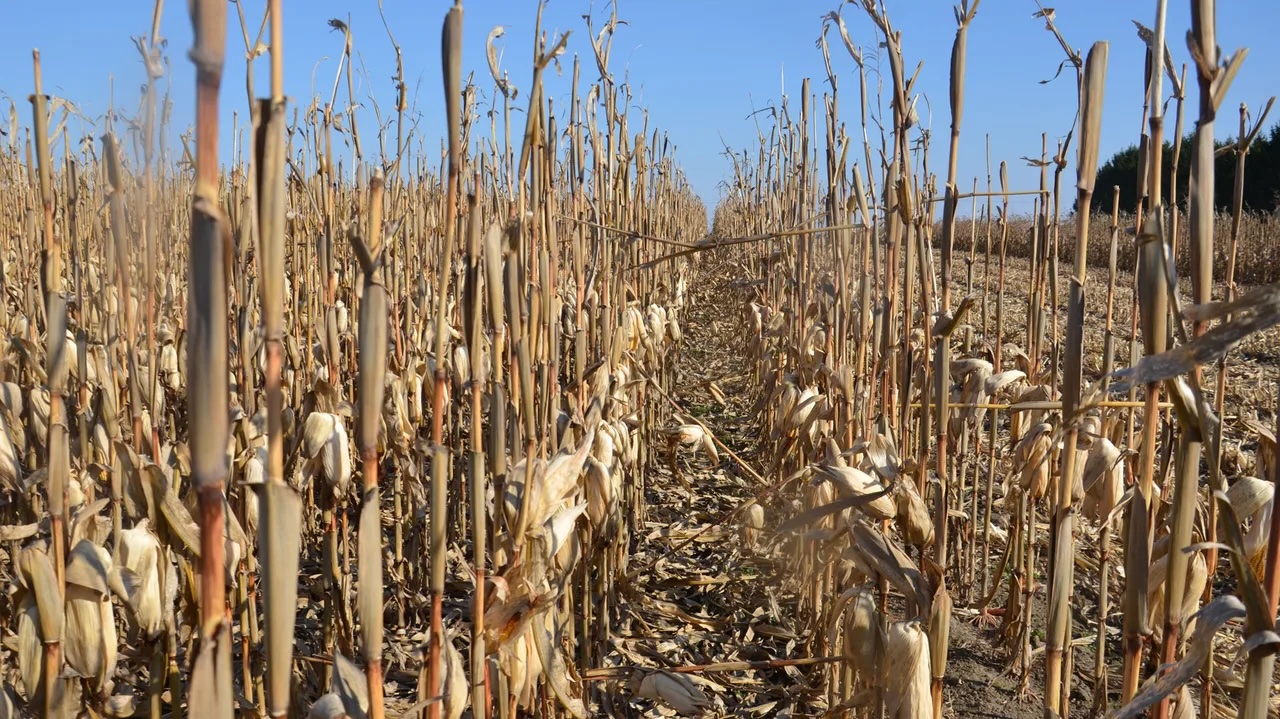
Horlacher: Yes, there is value on flying on cover crops with a drone to have an earlier seeding of cover crops. Drones provide a more even coverage of cover crop seed than a plane. Plan to fly seeds on when the canopy starts to open back up from lower leaves starting to yellow and drop. This usually is around late August and early September. It allows sunlight to reach the soil.
Flying on with a drone compared with drilling the seed will have less germination success due to the seed sitting on top of the soil. Consider increasing seeding rates by 15% to 20% to ensure a better stand. Try to spread in front of a rain to get the seed to be pushed into the top layer of the soil.
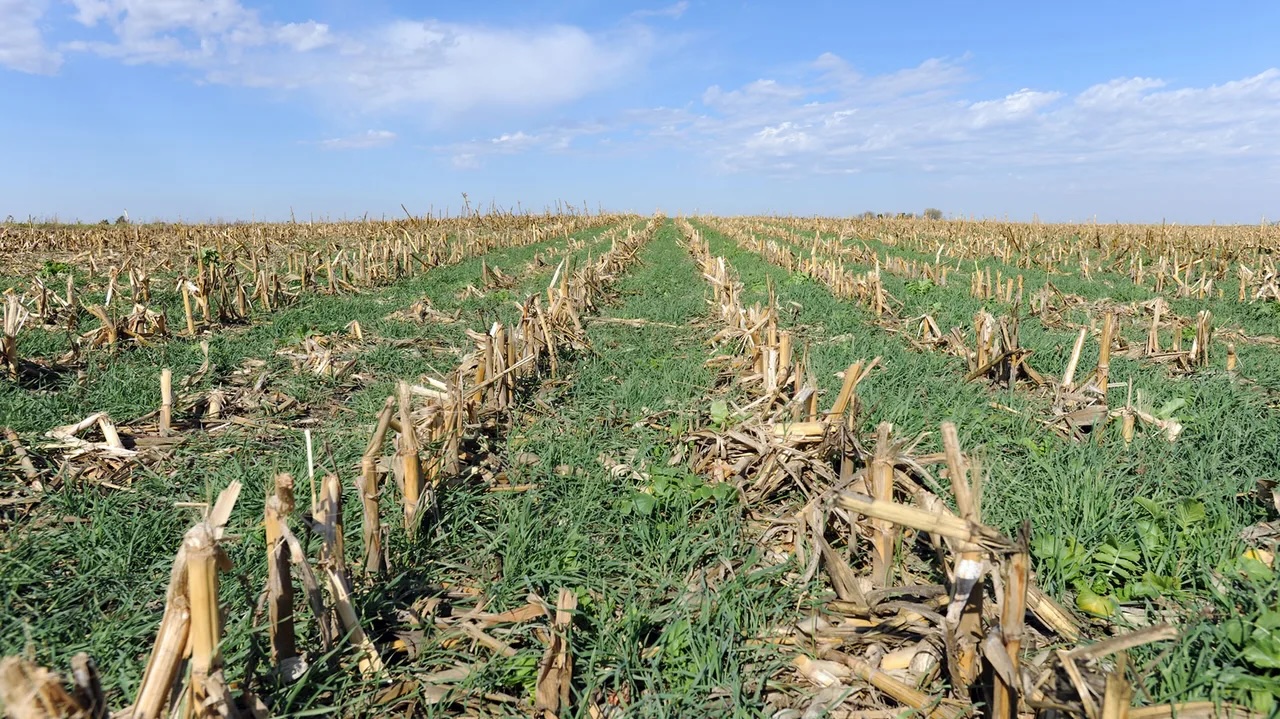
Mitchem: Drone seeding of cereal rye in standing corn can be successful and has the benefit of early growth. There is considerable research that shows a distinct advantage of seeding in late summer versus after harvest for cereal rye covers.
Stand establishment with drone seeding is dependent on adequate moisture. I prefer to seed at 30 pounds per acre of cereal rye and apply in late August or early September. This is a good balance of flight cost for the drone and enough cover to generate benefits.
Full disclosure: I am part owner of a drone service, and we seed fall covers. From fall 2025 through spring 2026, we experienced a severe drought. In most fields, the cereal rye flown into standing corn didn’t establish until spring 2026, but then did so with significant cover, and the farmers got benefits from the practice. If fall seeding can work under those conditions, I am confident of the system.
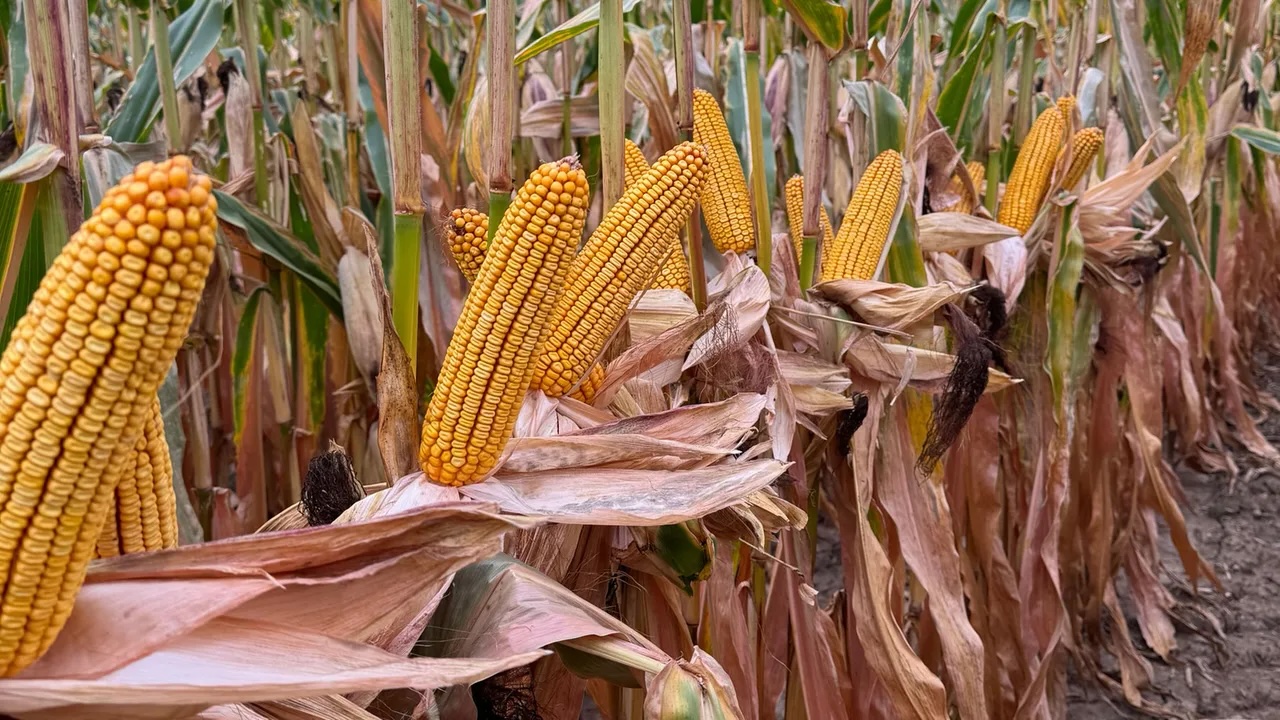
Quinn: In our recent research at Purdue, we have had good success with flying on cereal rye into standing corn right around R6. The stand is often not as good as postharvest drilled, but it still results in adequate establishment and soil coverage with a cover crop like cereal rye.
Other cover crop species tend to not do as well with an aerial seeding application. Overall, if you have been experiencing delayed harvests and are concerned about the timeliness of a drill-seeded cereal rye cover crop, an aerial-seeded application with a drone is a very good secondary option.