Foliar products don’t consistently pay in soybeans
The Indiana Certified Crop Adviser panel includes Gene Flaningam, Flaningam Ag Consulting, Vincennes; Carl Joern, Pioneer, Lafayette; and Greg Kneubuhler, G&K Concepts, Fort Wayne.
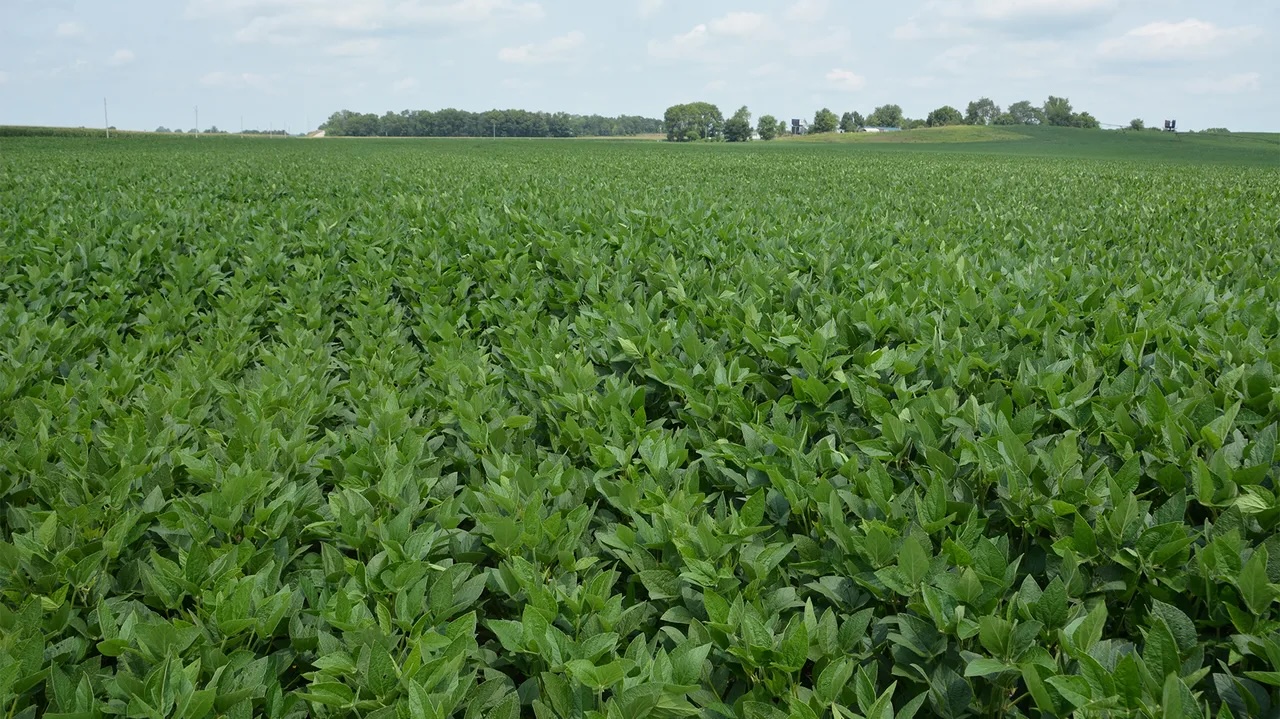
Extension sources continue to say there is no economic benefit for applying foliar fertilizer or things like sugar or other products on soybeans. Yet my agronomist recommends it, and some neighbors claim it has boosted yields. Who do I believe? Margins are tight, but I need bushels to boost revenue. Should I try any foliar products or not?
Flaningam: Foliar fertilizer applications can be easily incorporated into the R3 fungicide application. Research has not shown a consistent yield response that would guarantee a positive return on investment. You may find other benefits, such as better plant health, increased standability or better seed quality. Review plant tissue and soil test levels before making foliar applications.
Joern: This is one of those situations where both sides are “right” but for different reasons. Most university data say foliar products don’t pay unless something is deficient.
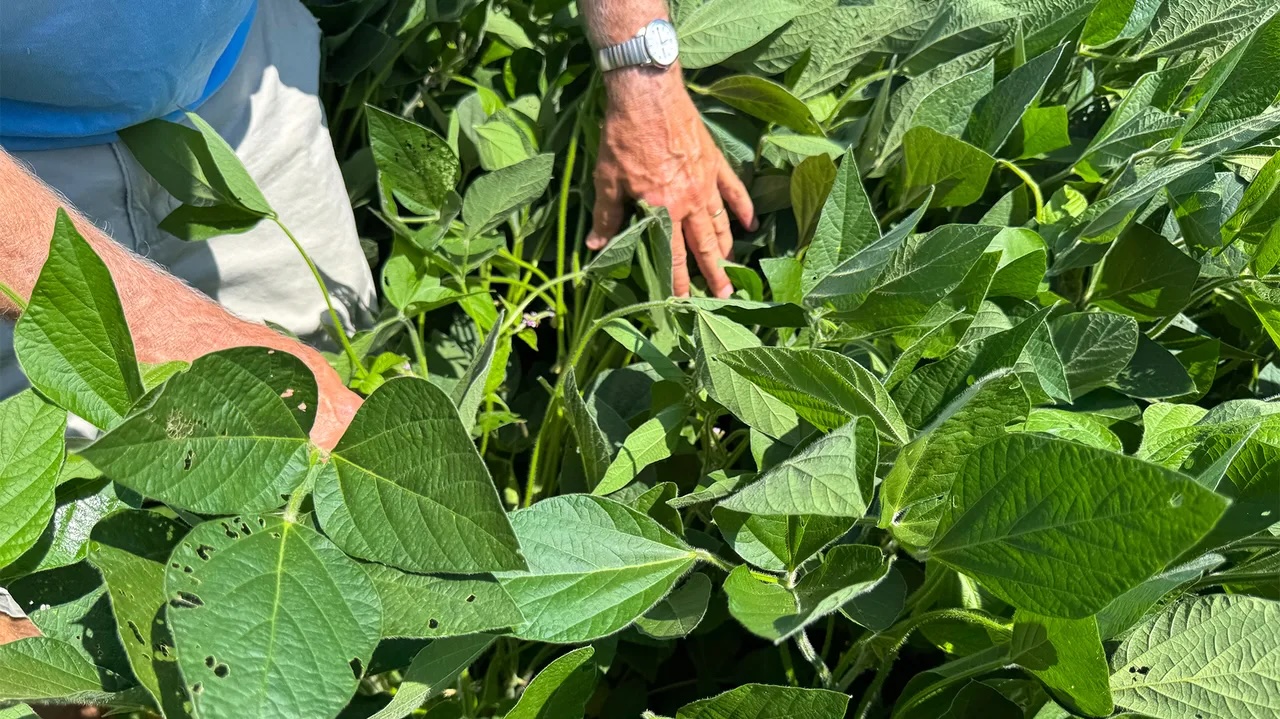
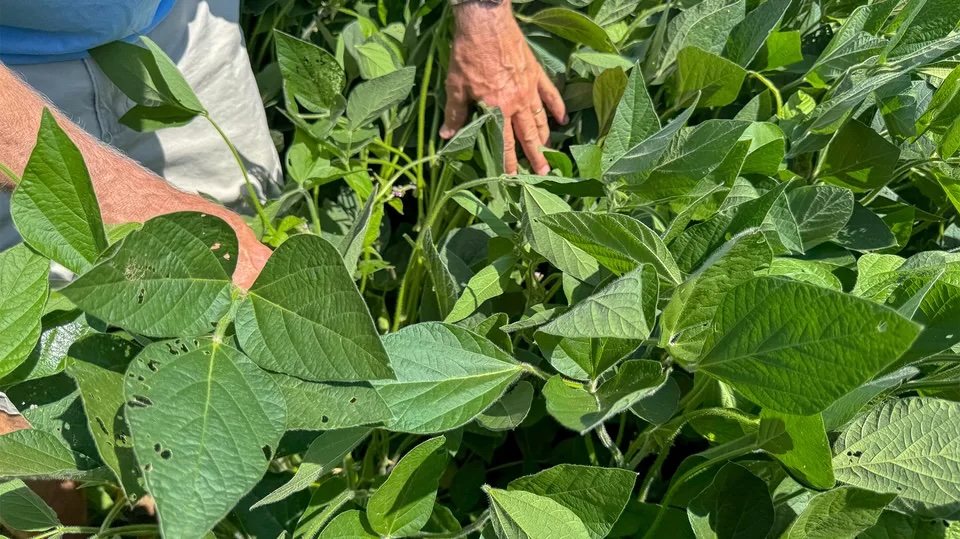
Soybeans usually don’t respond to foliar nutrients unless the crop is deficient. One exception is manganese, which is the most common micronutrient deficiency in soybeans, especially on high‑pH soils, sandy soils, dry soils or high‑organic‑matter ground. If Mn is limiting, soybeans respond well to foliar Mn, and it can be very economical. But if the field is not deficient, applying Mn — or any foliar product — likely won’t add yield.
The only way to know is to confirm the deficiency, and tissue tests are the best tool. Grab the youngest fully expanded trifoliates, send them in, and see where the Mn levels land. Anything around 20-30 parts per million or below likely warrants treatment. When Mn is truly needed, foliar Mn is the preferred and most consistent way to correct the issue.
Kneubuhler: Extension research is clear that foliar fertilizers, sugar and similar soybean products do not provide a consistent economic return across most acres. Large datasets show yield responses are rare, small and often don’t cover the cost of the application. That’s why Extension recommends against routine use. On average, it’s a losing investment, especially in tight-margin years.
However, your agronomist and neighbors aren’t necessarily wrong. Foliar products can pay in specific situations, such as fields with nutrient deficiencies, high-pH soils or stress conditions that limit root uptake. The key is that these responses are inconsistent and field-specific, not something you can count on every year. The most practical approach is to avoid blanket applications and instead test foliar products on a few targeted acres or problem fields to see if they deliver a return.
Many foliar products are misused, which creates a nonresponse. Understand nutrient loading, and be sure to apply the correct load. Most don’t apply the correct rate and, in effect, see no response. If you apply the correct load, you’ll see the response you need. Don’t buy or apply something just because it has micros in it. Work with a good agronomist who understands what’s needed and what’s in the products.