Here’s the threshold for soybean replant decisions
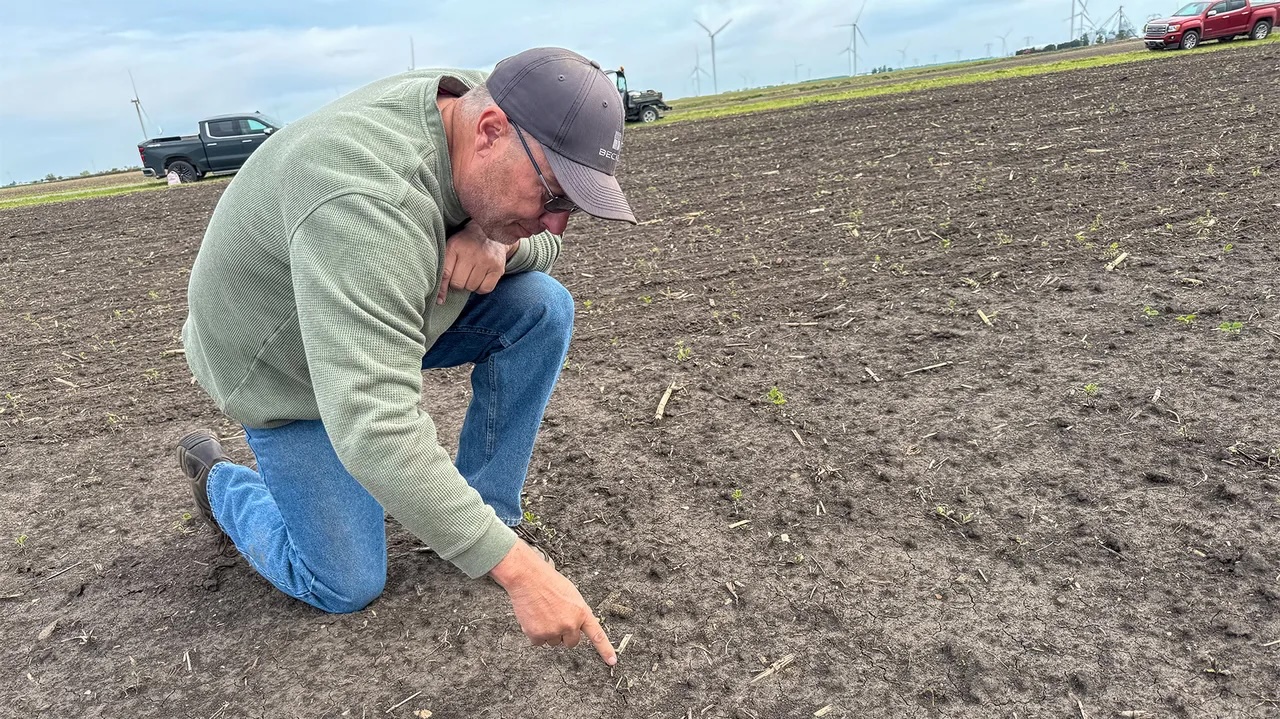
The Indiana Certified Crop Adviser panel includes Gene Flaningam, Flaningam Ag Consulting, Vincennes; Carl Joern, Pioneer, Lafayette; and Greg Kneubuhler, G&K Concepts, Fort Wayne.
I heard at a winter conference that soybean replant decisions need to be made by VC or V1 to be beneficial to yields. What is the threshold that would warrant a replant?
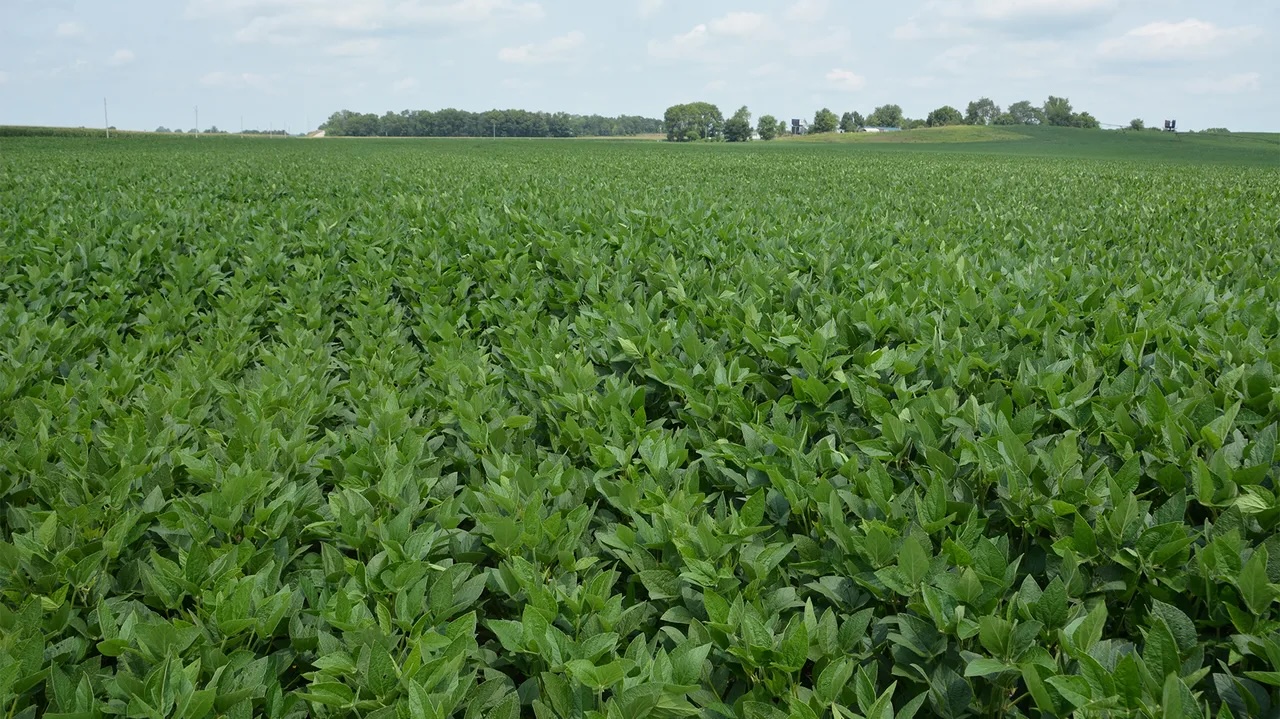
Flaningam: Soybean replant decisions are usually very challenging. We used to plant 200,000 seeds per acre with grain drills. We are now down to 135,000 to 150,000 seeds per acre with 15-inch row planters. We usually overseed to compensate for those environmental conditions that would cause optimal final stands to fall below thresholds. With continued research, we find that final stands down to the 80,000 plants per acre range can provide optimal economical yields.
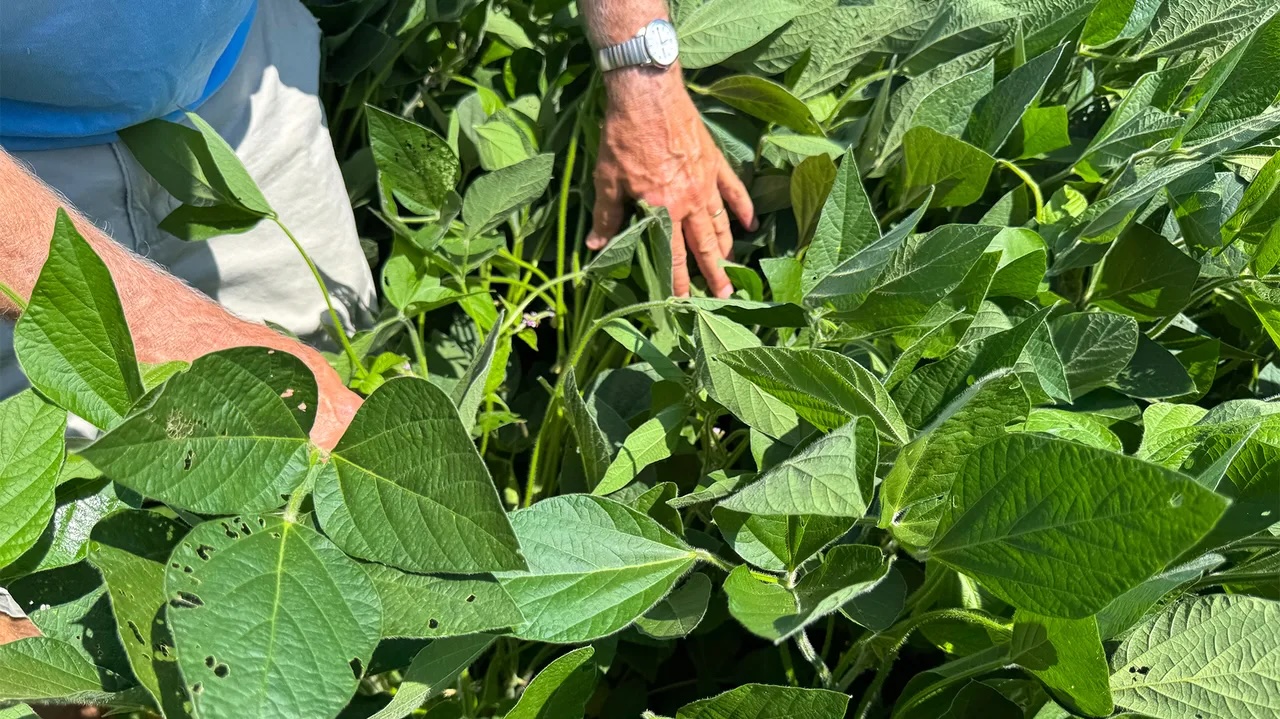
Evaluate soybean plant stand variability. Large skips in plant stands can cause issues with weed control. Then it becomes a decision on whether to destroy the existing stand or to interplant and try to increase the existing stand. Every field has its own set of variables that need to be evaluated.
Joern: Soybeans are incredibly adaptable, and modern research shows they can still hit high yields at surprisingly low populations because of their ability to branch and compensate when stands are thin. When final stands start sliding below 80,000 plants per acre, the bigger issue becomes weed suppression. A thinner canopy simply doesn’t close rows fast enough to support sustainable weed management.
Remember that final stands are always lower than emerged stands due to natural attrition, which typically runs 10% to 20%. That’s why recommended seeding rates include cushion and why “what we can get away with” on replant isn’t the same as what we should target the first time.
There are cases where stands in the 50,000 plants per acre range can still hang on and compete — soybeans are flexible by nature — but those are exceptions tied to ideal weather, not reliable guidelines. The later you replant, the less those new plants will contribute to yield, though they can still help you with canopy and weed control.
Final answer: I begin giving serious consideration to thickening the stand when the final count falls in the 60,000 to 70,000 range. Below that, the compensation ability of soybeans is stretched thin, and the weed control penalty becomes a bigger risk than the cost of replanting.
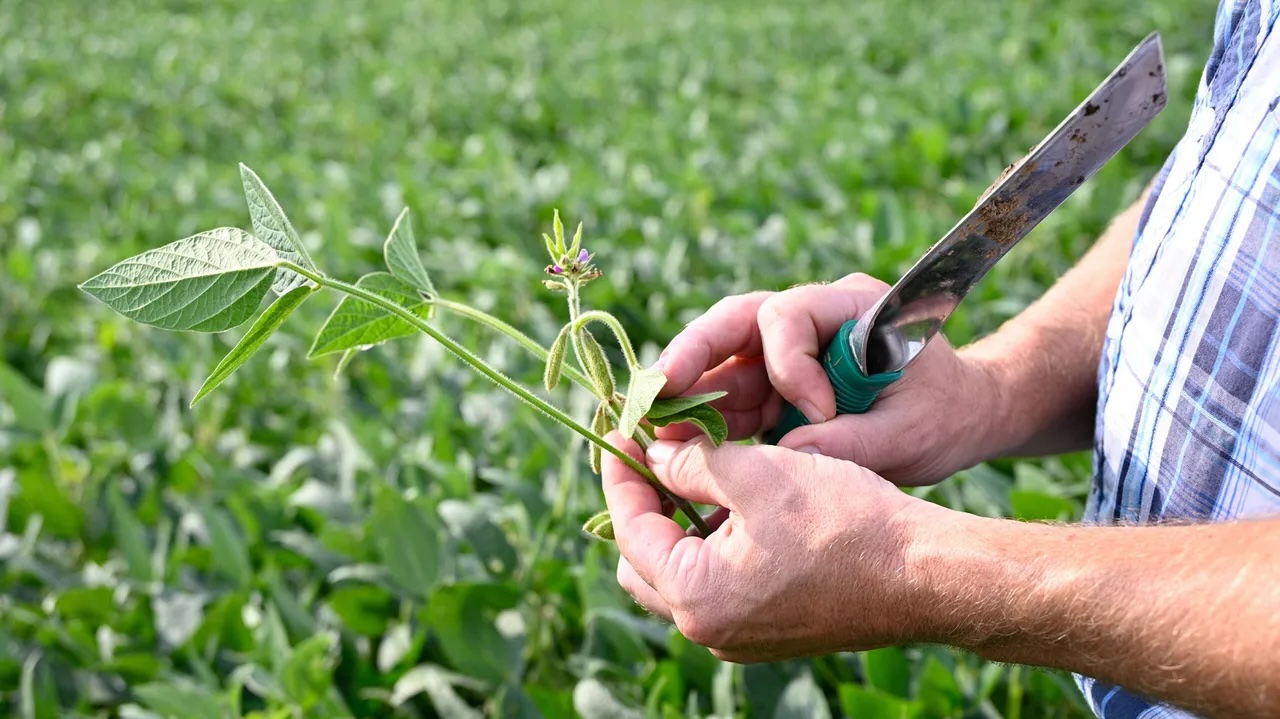
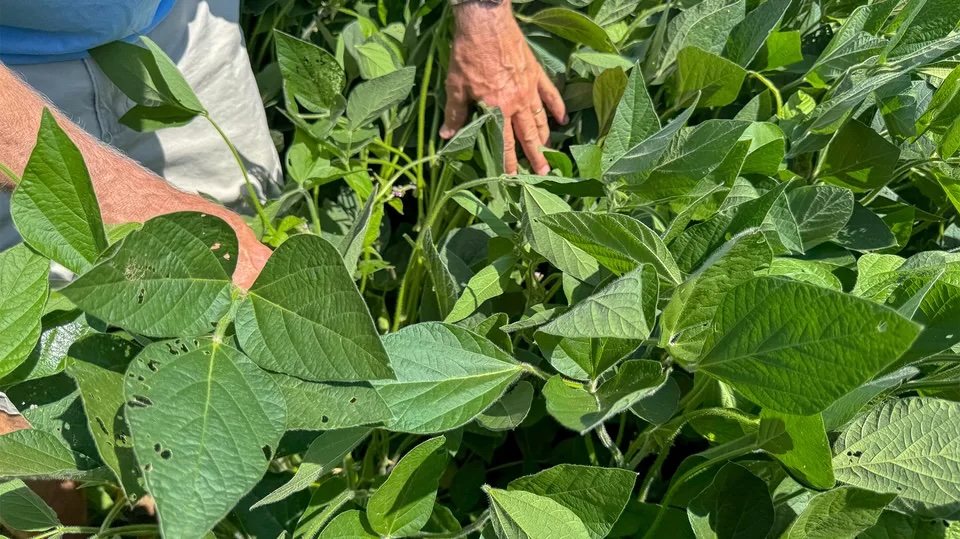
Kneubuhler: Replant decisions should happen once plants reach VC or V1. At that stage, you can assess surviving plant population and uniformity. Stands below 80,000 plants per acre often justify a replant. Below 60,000 is almost a guaranteed replant. One important factor in all these evaluations is uniformity of the stand. These counts are assuming they are evenly distributed. Bare spots do not generate a yield. Confirming these counts are uniform across the field drives the range decisions.