Key takeaways from late-season soybean scouting
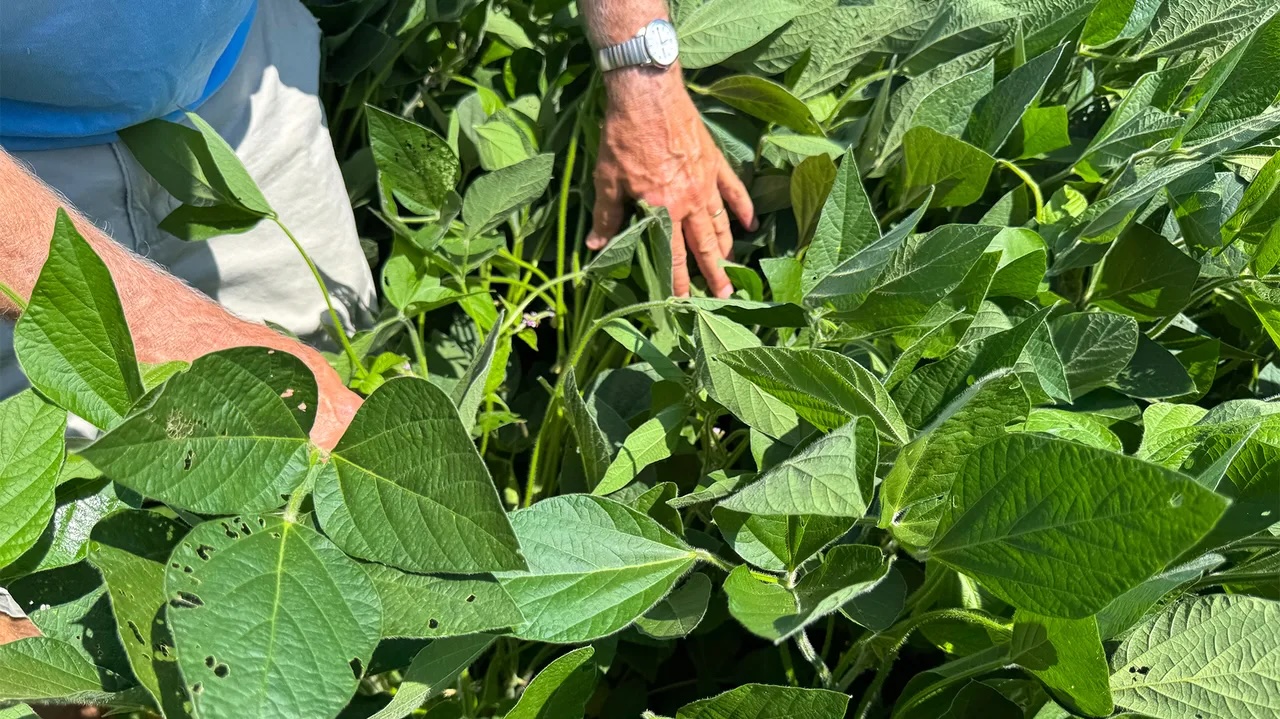
The Indiana Certified Crop Adviser panel includes Betsy Bower, Purdue Extension senior research associate, West Lafayette; Abby Horlacher, Nickel Plate Consulting, Sheridan; and Brian Mitchem, Farmer 1st Agronomy Consulting Services, Decatur.
I hear that we should continue scouting up until harvest. What should I be scouting for in my soybean fields this late in the season? What can I learn? Are there any management decisions I can make now?
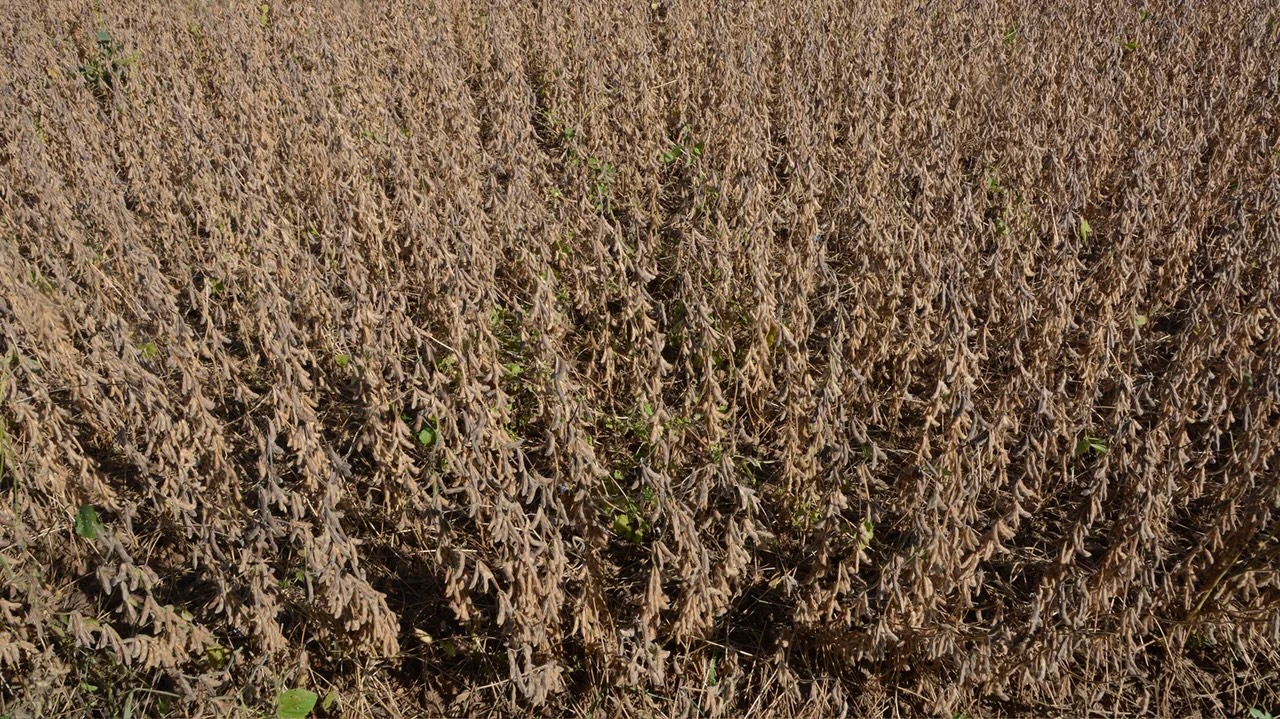
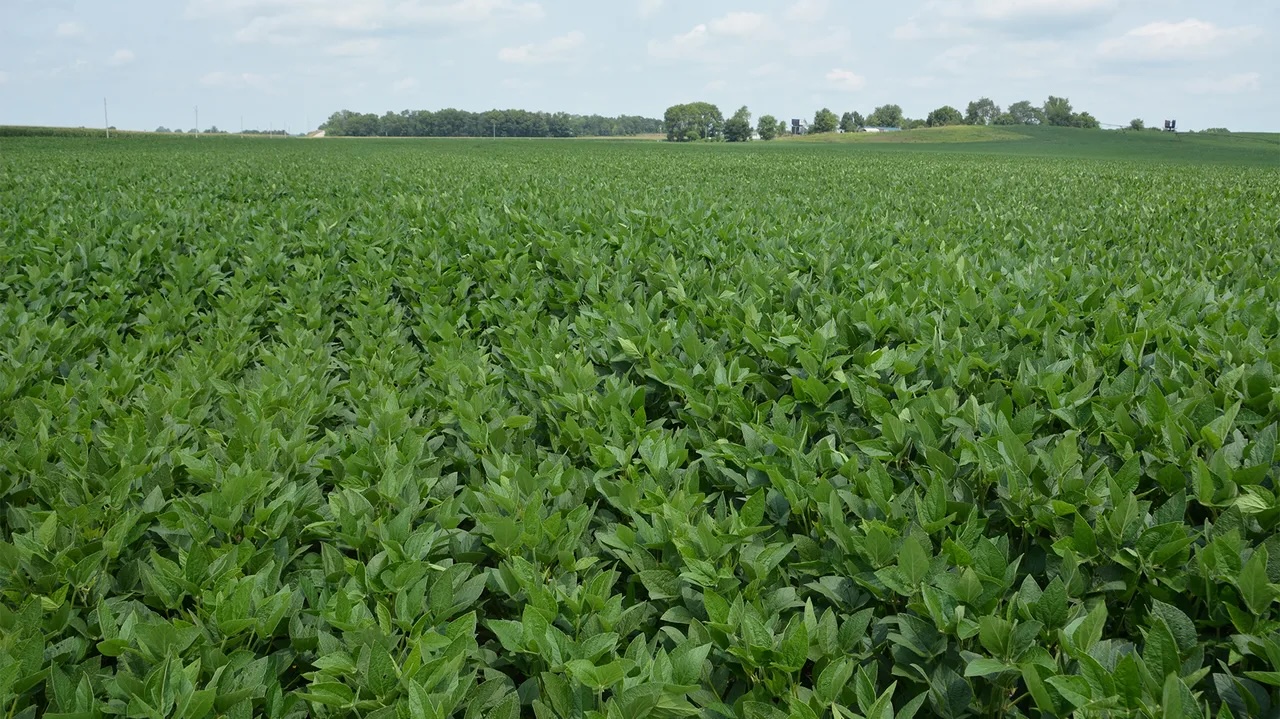
Bower: Yes, you should continue to scout soybeans up until harvest. Watching soybeans mature across a field can reveal several issues, helping you learn about potential future management of each field. While some soybean fields mature evenly across a field, many fields seldom do. There are differences in soil types and water-holding capacity of soil. You can find irregular patches of dying soybeans from disease, including sudden death syndrome, brown stem rot and now red crown rot. Other soybeans may die from soybean cyst nematodes or, in some areas, root knot nematodes. One can also find pod-feeding insects such as stinkbugs and bean leaf beetles.
If you catch pod-feeding insects early enough — early seed fill into full seed — and determine that the pressure of the insects meets the economic threshold, insecticide application could help you protect yield and seed quality. However, if you are finding diseases such as sudden death syndrome or nematode pressure from soybean cyst nematodes, there are no corrective actions that can be taken. Instead, document these issues and address them with different soybean varieties, seed treatments or cropping practices next year reduce their impact.
Horlacher: One key benefit of late-season scouting is improved stem quality and standability. You can start planning how you will harvest fields, not just based on how they dry down but also on how they will hold up if a storm blows through. You can also document how many pods you observe per plant and how many seeds there are per pod to estimate yield.
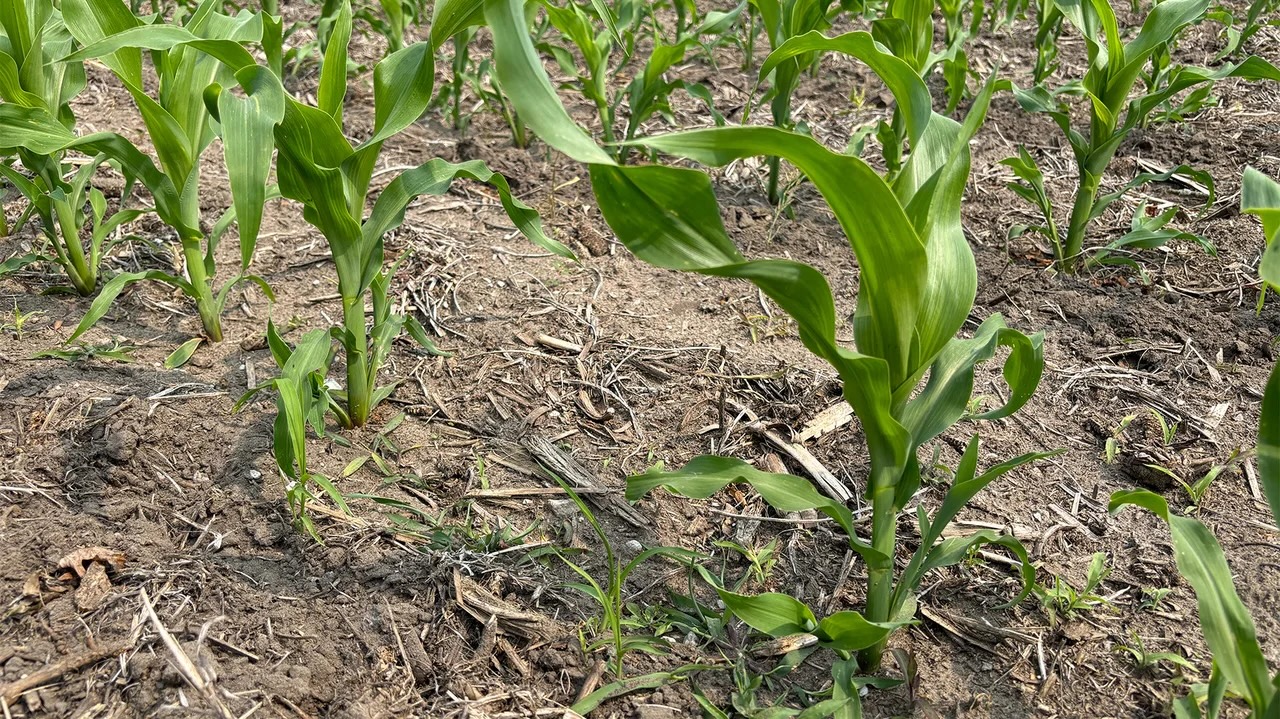
The other piece is to look at the ground in addition to looking at the plant. Here, you can look for weed escapes and evaluate how herbicide worked in the field. You can also decide if you need to have a fall herbicide pass to take care of any late-season weeds you do not want to battle next year.
Mitchem: Scouting is always valuable regardless of timing. Although late-season scouting is often a postmortem, there are usually some things you can learn.
Some things to evaluate late in soybeans are signs of any root diseases, such as sudden death syndrome, brown stem rot and red crown rot. Look for patches of premature death with yellow or brown leaves. Once disease is identified, inspect the lower stem and root crown to identify the specific disease. White mold is another disease that tends to show up in patches, leaving small, black sclerotia in the stems and in the grain tank.
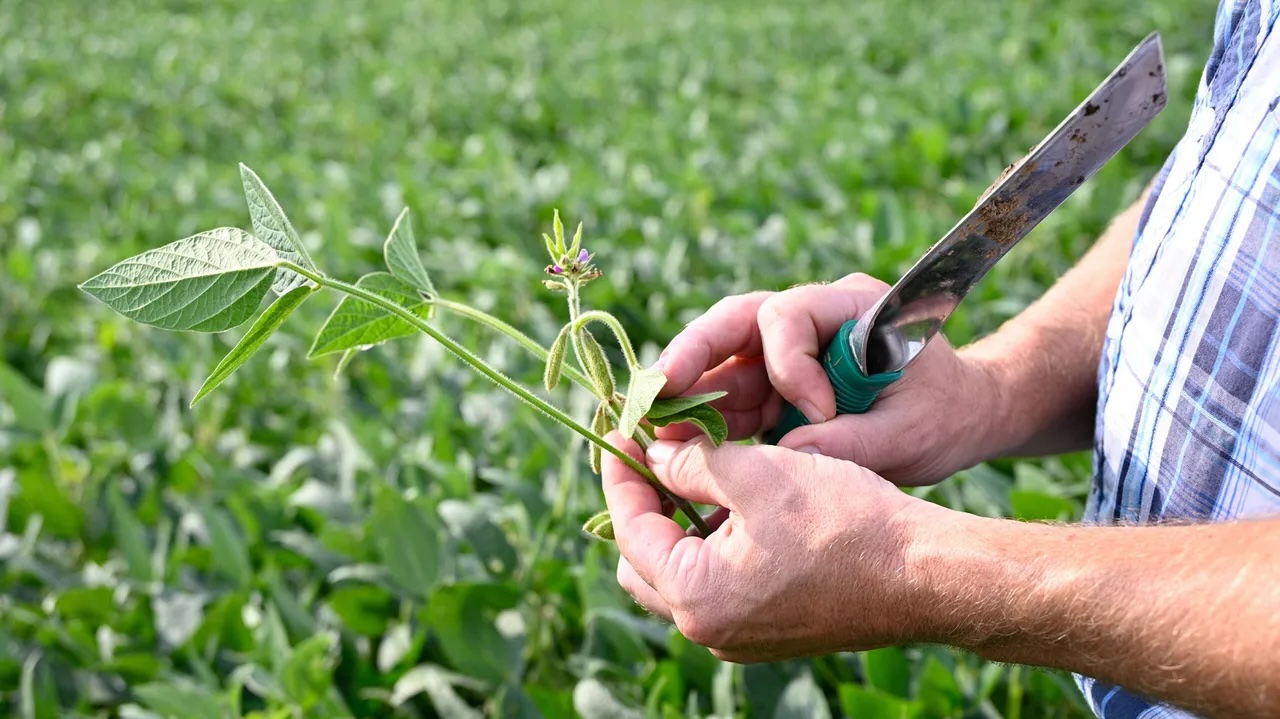
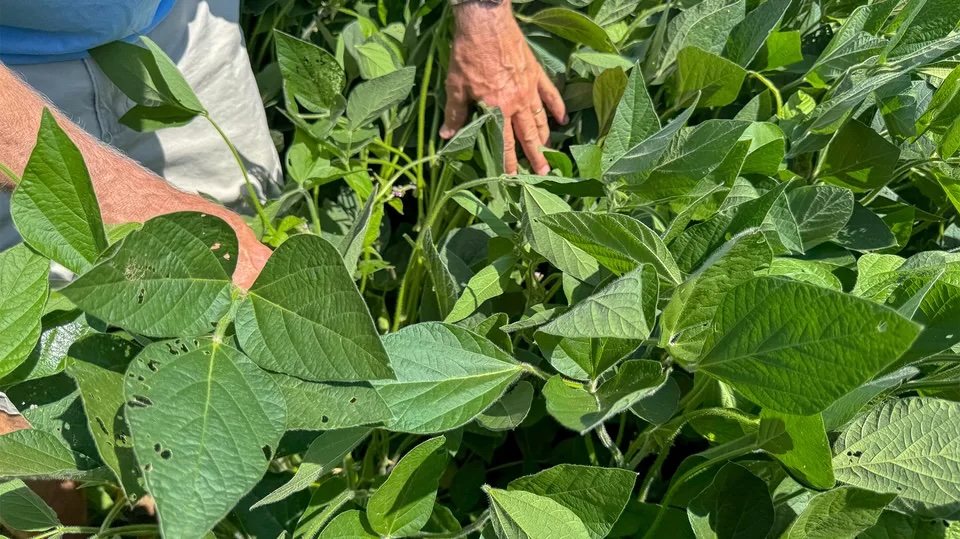
Late-season insects, such as bean leaf beetle and stinkbugs, can damage soybeans by pod feeding. Inspect pods while green to see if any pods have been damaged by insects. When pods are fed upon, it can cause shrunken and rotted beans.
Weed control has become more challenging with many weeds developing resistance to several herbicide families. It’s important to take note of any shifts in weed presence as these will need to be controlled in the future with more effective chemistry families.