Find your fudge factor for corn yield estimates
The Indiana Certified Crop Adviser panel includes Betsy Bower, Purdue Extension senior research associate, West Lafayette; Abby Horlacher, Nickel Plate Consulting, Sheridan; Brian Mitchem, Farmer 1st Agronomy Consulting Services, Decatur; and Dan Quinn, Purdue Extension corn specialist, West Lafayette.
My son tells me that we need to use the right “fudge factor” when estimating corn yields. What is fudge factor? What yield equation do I use? How do we determine the right number to use in the yield equation?
Bower: Your son is referring to the kernel weight factor, which represents the number of kernels per 56-pound bushel of corn. There can be varying kernel weight factors, depending on differences in hybrids, environmental conditions and inputs.
The equation to estimate corn yield is the following: ((average number of ears in 1/1000th of an acre) multiplied by (average number of rows multiplied by average number of kernels per row)) divided by kernel weight factor (90 or 80 or 70).
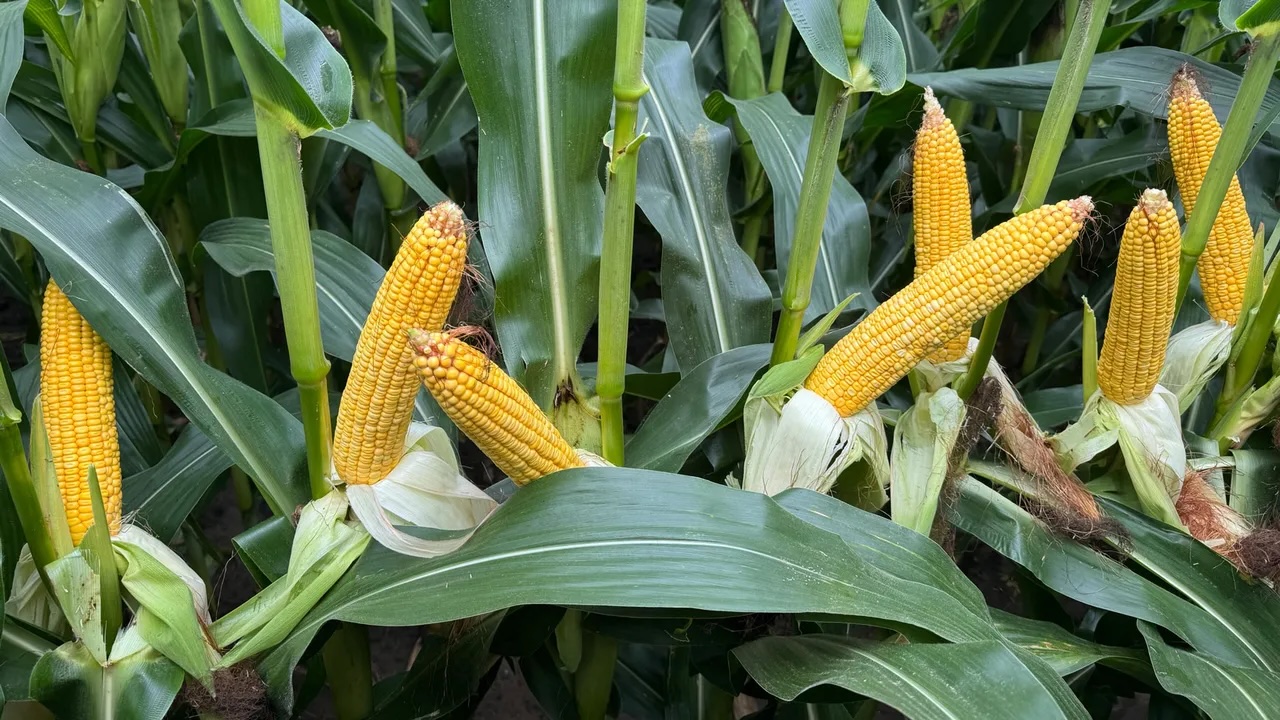
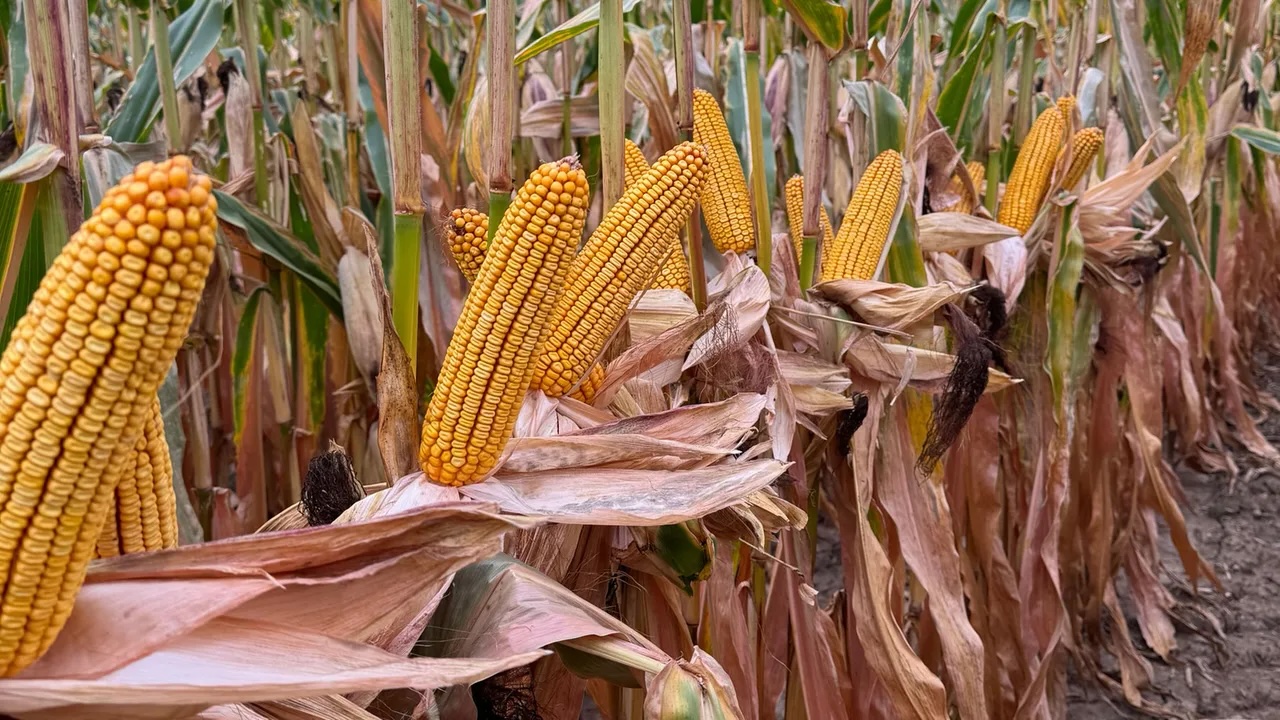
Measure out 1/1,000th of an acre (17.5 feet in 30-inch rows). Then, remove every fifth ear and count rows around and kernels per row on each ear to determine the average kernels per ear. To determine the weight factor, just feel the weight of the total ear. Break open the ear and look at the kernel depth. For fields with heavy ears, consider using 70 for 70,000 kernels per bushel. For fields with lighter ears, consider using 90. Calculate a low and high estimate to provide a yield estimation range.
Horlacher: The fudge factor is how many kernels make up a bushel. The larger the kernels, the smaller the number will be for the “fudge factor” of kernels per bushel. In the area I am writing from, we have just received over 5 inches of rain in five days and have quite a few wet holes in the field that may not have ears of corn in them by August. I would probably use an average condition’s fudge factor of 85 to 90. If you have excellent grain fill with large kernels, use 75 to 80. If you are under high stress and have small kernels, use 95 to 105.
Mitchem: The count method works as follows: Measure 1/1000th of an acre, which is 209 inches in 30-inch rows. Next, count the number of plants with a harvestable ear. Then, pull every fifth ear from the plants, regardless of size, and count the number of kernels in length and the number of rows around the ear. Multiply these numbers together.
Next, divide that number by the fudge factor, which is an estimate of number of kernels it takes to make a bushel. It’s an estimate based on genetic kernel size and the growing conditions of the field. The factor can range from 70,000 to 100,000 kernels. Larger kernels would call for a fudge factor closer to 70, while smaller kernels would have fudge factors around 90 to 100.
Quinn: “Fudge factor” is a number used to estimate potential kernel weight for yield prediction. The number is an estimate of the number of kernels present per 56-pound bushel of corn. For example, common “fudge factor” numbers are often 65, 75 and 85. These numbers would refer to an estimate of 65,000 kernels per bushel for higher kernel weight or 85,000 kernels per bushel for lower kernel weight.
The fudge factor number is difficult to determine until the crop completes grain fill and reaches physiological maturity. Estimate yield with a range of fudge factor numbers to get an idea of how the yield will be depending on grain fill conditions. If grain fill is good and the hybrid has a larger kernel, the fudge factor may be on the lower end. However, if the grain fill is poor and the hybrid has a smaller kernel, the fudge factor may be on the higher end.