Soil tests guide phosphorus, potassium decisions
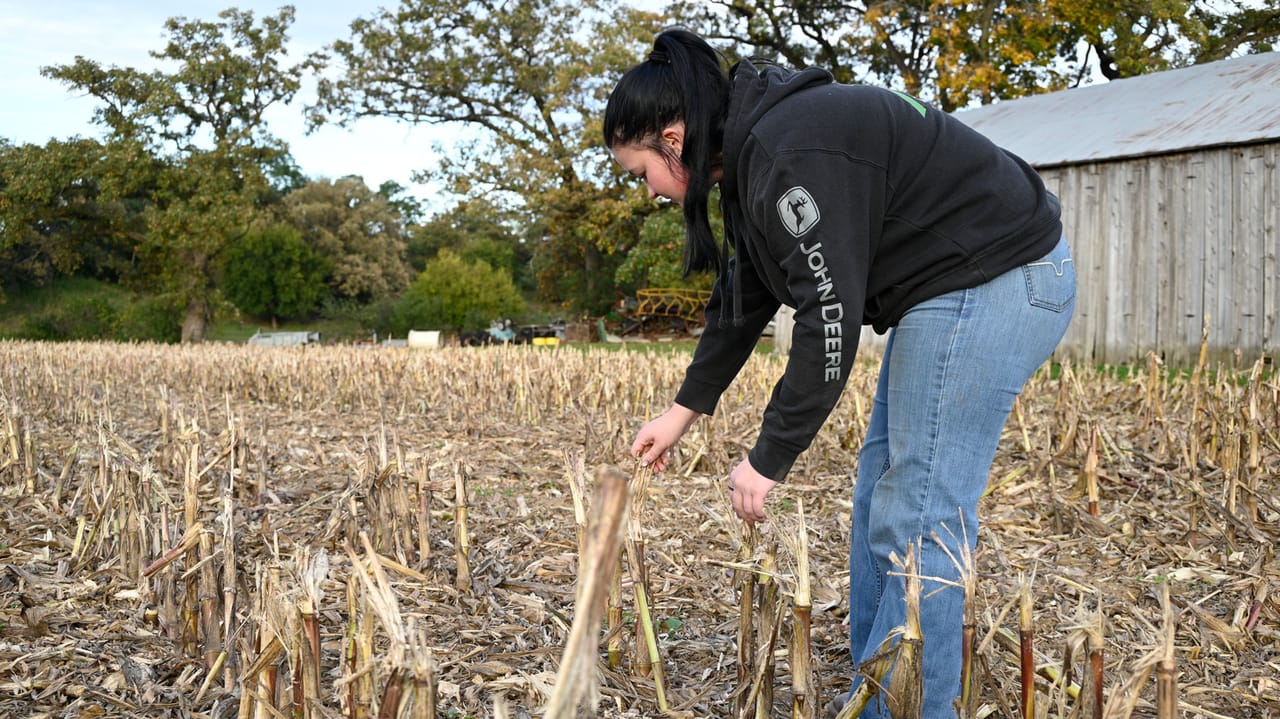
The Indiana Certified Crop Adviser panel includes Danny Greene, Greene Crop Consulting, Franklin; Brian Overstreet, soil conservation coordinator, Rensselaer; Dan Quinn, Purdue Extension corn specialist, West Lafayette; and Dan Ritter, Hoegemeyer Hybrids, Rensselaer.
We got our soil test results back, and we’re still in the optimum range for phosphorus and potassium in my fields going into corn. If I’m looking to tighten up corn inputs for next year, can I cut back or even totally skip phosphorus and potassium applications? Or will that hurt me in the long run?
Greene: Optimum soil test levels give you some buffer before phosphorus or potassium reaches the critical level where the likelihood of a yield response to fertilizer increases significantly. Because you have that buffer, the short answer is yes, you can reduce or even defer phosphorus and potassium applications without expecting to sacrifice yield. Soil test levels may decline as nutrients are removed with the crop, so continue to monitor them.
The key is not allowing soil test phosphorus and potassium to fall below their critical levels. As you tighten fertilizer inputs, pay closer attention to the four R’s of nutrient management: right source, right rate, right time and right place.
In a sense, you are trading some fertilizer expense for increased management. Rather than maintaining unnecessarily high soil test levels as insurance, use soil testing, crop removal, and good nutrient placement and timing to keep the nutrients within reach of the crop while maintaining phosphorus and potassium above critical levels. When done correctly, you can reduce short-term fertilizer expense without sacrificing yield potential.
Overstreet: Preferably, you would at least put on the maintenance amount of fertilizer to replace what the crop took off. Given the economic strains, if you are in the optimum range or higher, you could skip a year without yield loss. This plan is not sustainable for several years, though. Another way to save on fertilizer cost is to make variable-rate applications and only hit the spots that really need the fertilizer.
Quinn: If your soil tests show that phosphorus and potassium are within the optimum range, you have some flexibility to reduce or even skip these applications for a year without sacrificing corn yield. At optimum soil test levels, the soil already contains enough available phosphorus and potassium to support maximum yield, so additional fertilizer is primarily applied to replace crop removal and maintain those soil test levels over time.
Skipping an application will cause soil test phosphorus and potassium levels to gradually decline as nutrients are removed with the harvested grain, but that decline is generally small over a single growing season. The biggest consideration is where your soil test values fall within the optimum range. If they are comfortably above the critical level, temporarily cutting back is relatively low risk. However, if they are near the lower end of the optimum range, continued crop removal could eventually move those fields into a range where yield response to fertilizer becomes more likely.
In addition, it will be important to use recent, representative soil tests and continue monitoring those levels over time.
Ritter: If your test results indicate you have sufficient soil fertility to obtain your yield goals, you should be OK skipping phosphorus and potassium or cutting back. After all, that is the purpose of soil testing. Take advantage of the data you collected. Just keep in mind that you may have to apply more than you typically planned in the future as you draw down the reserves. The main way it could potentially hurt your operation is if you really need to add fertilizer next year and finances aren’t any better, or perhaps worse.