

Limit waterhemp seed in soybeans with weeding by hand
The Indiana Certified Crop Adviser panel includes Betsy Bower, Purdue Extension senior research associate, West Lafayette; Abby Horlacher, Nickel Plate Consulting, Sheridan; and Brian Mitchem, Farmer 1st Agronomy Consulting Services, Decatur.
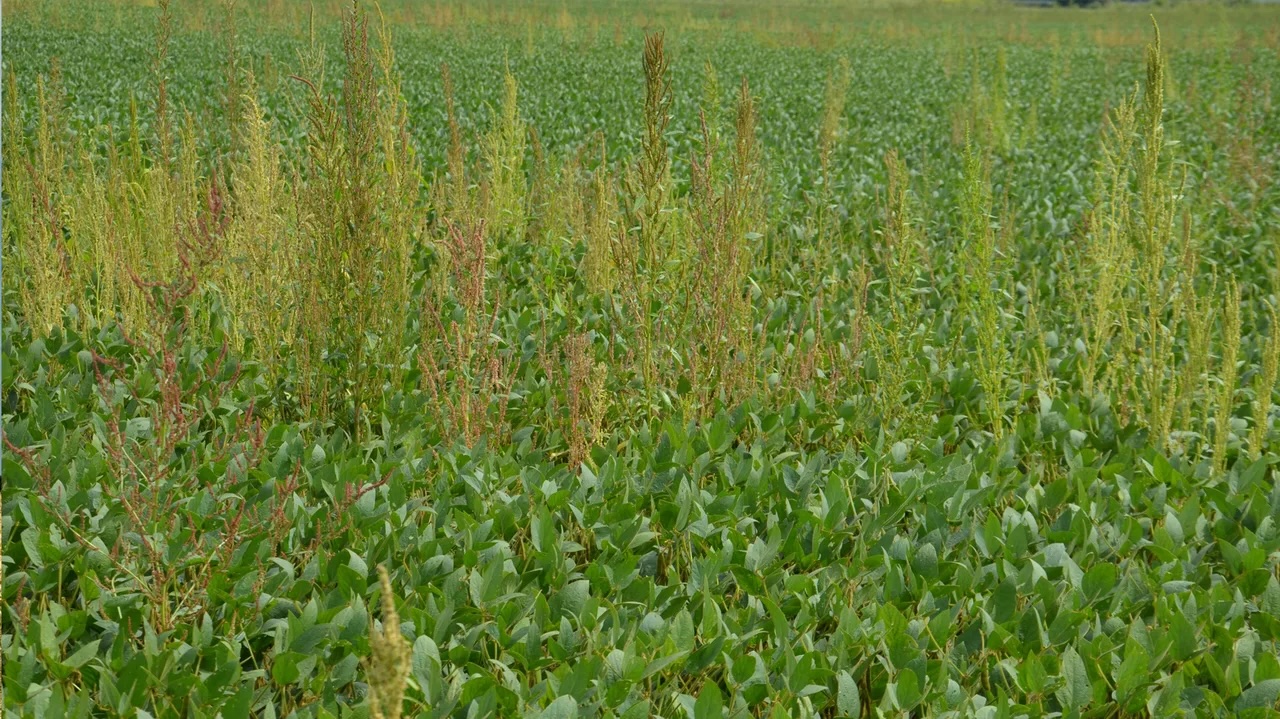
I have a field with scattered waterhemp escapes. I’m considering a postemergence herbicide trip to clean them up before harvest, but it would take me a day’s worth of labor to hand-rogue them. Any ideas on what I should do? I worry about the chemical/application cost and what herbicide labels mandate about such applications.
Bower: Hand-roguing weeds would be your best and most economical late-season waterhemp control option, especially if it will just take you a few days to clean up your escapes. There are very few herbicides that can legally be applied late into soybean grain fill, and in the R3 to R5 stages, it is very difficult to get coverage of all the growing points you’d need to hit to control waterhemp.
There will also be less total soybean plant loss due with hand-roguing. Tire traffic can limit overall yield to the tune of 1.5 to 2 bushels per acre depending on the boom width and number of total tire tracks across the field.
You could wait until pods are mature and consider a harvest aid, but you risk the ability to control weeds before flowering and developing viable seed. Once waterhemp flowers, it does not take long to have viable seed.
So although hand-roguing is not fun, is hot and is, at times, very miserable, you will likely do a better job of truly controlling the waterhemp, and there will be less loss due to wheel traffic from a sprayer.
\Horlacher: If your waterhemp escapes have already set seed, I would not worry about cleaning up the field. The waterhemp has already set viable seeds, and the herbicide will not help in limiting waterhemp seed production. The cost of the application and limited herbicides that are on label would not be cost-effective for the outcome. Harvest this field first, and clean out all equipment in the field before leaving to avoid moving the waterhemp seed to the next field.
Mitchem: Waterhemp is one of the most concerning weeds and is increasing in severity in Indiana and across the region. Control always starts with the most aggressive preemergence herbicide foundation, consisting of multiple effective site-of-action herbicides. If you are experiencing late-season escapes, consider changes to your pre and early post programs in the future.
Large weeds are very difficult to control, regardless of label status and timing. In addition to being well off-label for crop growth stage, the chance of success is limited, and the best option is to hand-weed the problem areas in your fields. Although this is labor-intensive, it can remove trillions of seeds and potential future problems for you.