
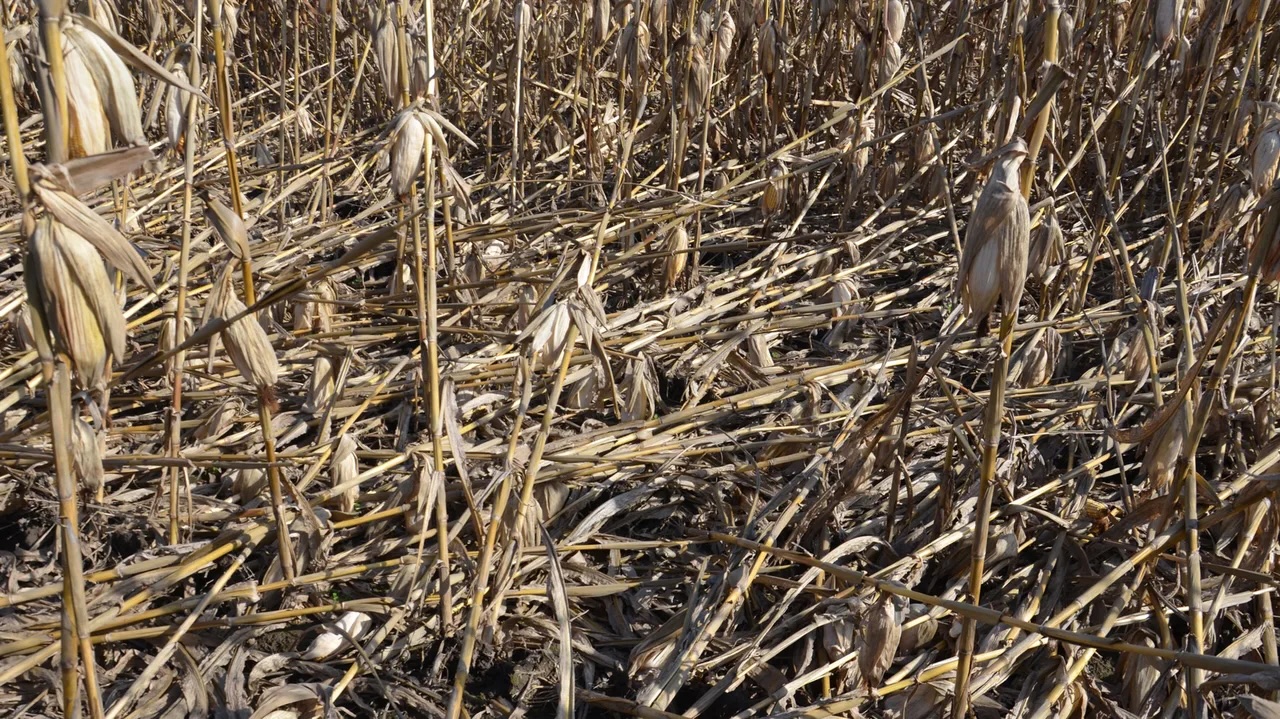
Beat the bowed cornstalks and root lodging
The Indiana Certified Crop Adviser panel includes Danny Greene, Greene Crop Consulting, Franklin; Brian Overstreet, soil conservation coordinator, Rensselaer; Dan Quinn, Purdue Extension corn specialist, West Lafayette; and Dan Ritter, Hoegemeyer Hybrids, Rensselaer.
My daughter took over combine duties as I stepped over to manning our grain drying facility. She saw more than a few bowed cornstalks in a few fields. What could this be from? How can we prevent it next year?
Greene: Bowed or goosenecked corn usually results when the plant loses its anchoring in the soil, falls over and then tries to straighten itself back up. One possible cause is corn rootworm feeding on the roots. Management could include an effective rootworm trait, soil-applied insecticide or other appropriate rootworm management practices.
Severe weather can cause cornstalks to gooseneck. Saturated soils followed by strong winds can cause root lodging. As the plants recover and grow upward, the stalk curves, creating the characteristic “gooseneck.” Anything that limits the root system can make the problem worse. Soil type, compaction, shallow planting and inadequate fertility can all contribute to poor anchoring.
Dig roots in areas where stalks were bowed. Look for rootworm or other insect feeding and signs of compaction or restricted rooting. Review the weather history, particularly periods of saturated soil followed by high winds. Finally, note the affected areas and scout them closely the next time those fields are planted to corn.
Overstreet: This usually means that there was some type of root issue earlier in the year. It could have been as simple as strong winds after a saturating rain and the ground was not stable enough to hold the plant up.
In the past, my go-to response would have been rootworm damage. In the past 20 years, rootworm pressure has dwindled, but we still see pockets of damage in places. While scouting corn last summer, I saw several adult beetles in fields. If those fields are continuous corn, I’d recommend a rootworm insecticide program and/or using one of the Bt versions of control. If you have been using a Bt corn, find a different one to combat resistance.
Quinn: The first step is to accurately determine what is causing the bowed stalk problem. In some cases, corn rootworm feeding can weaken the root system, and subsequent wind or storm events can worsen root lodging and result in the characteristic “gooseneck” appearance.
Dig and wash roots when adult corn rootworm beetles are first observed, while root-feeding injury is still fresh and visible, to provide the best opportunity to accurately assess and diagnose rootworm damage. Additionally, scout fields soon after significant wind or storm events to document the extent and severity of root lodging.
If lodging occurs relatively early and plants can upright themselves, stalk bowing may be present but yield losses may be minimal. However, monitor standability and harvestability throughout the remainder of the season.
Ultimately, identifying the specific cause of the bowed stalks is critical before making management changes for the following year, whether those adjustments involve corn rootworm management, hybrid selection, crop rotation or other production practices.
Ritter: The first possibility is just willowy stalks. This is typically a hybrid that has excellent brittle snap scores. It bends and doesn’t break. It could be a hybrid that is typically tall, high-eared and has high yield potential. That puts a large amount of weight high in the plant profile.
Other leaning can be root lodging from corn rootworm feeding or simply weak roots. High winds and loose soil from excessive rain can make just about any hybrid lean. The August storms this year in parts of Indiana would be an excellent example.